When a Rebate Covered Half the Attic Job
A homeowner had a drafty second floor, uneven room temperatures, and high summer and winter utility bills. They used Thermline to learn the basics, compare attic insulation options, and get matched with a licensed, insured installer near them — and a local rebate ended up covering about half of the attic portion of the project.
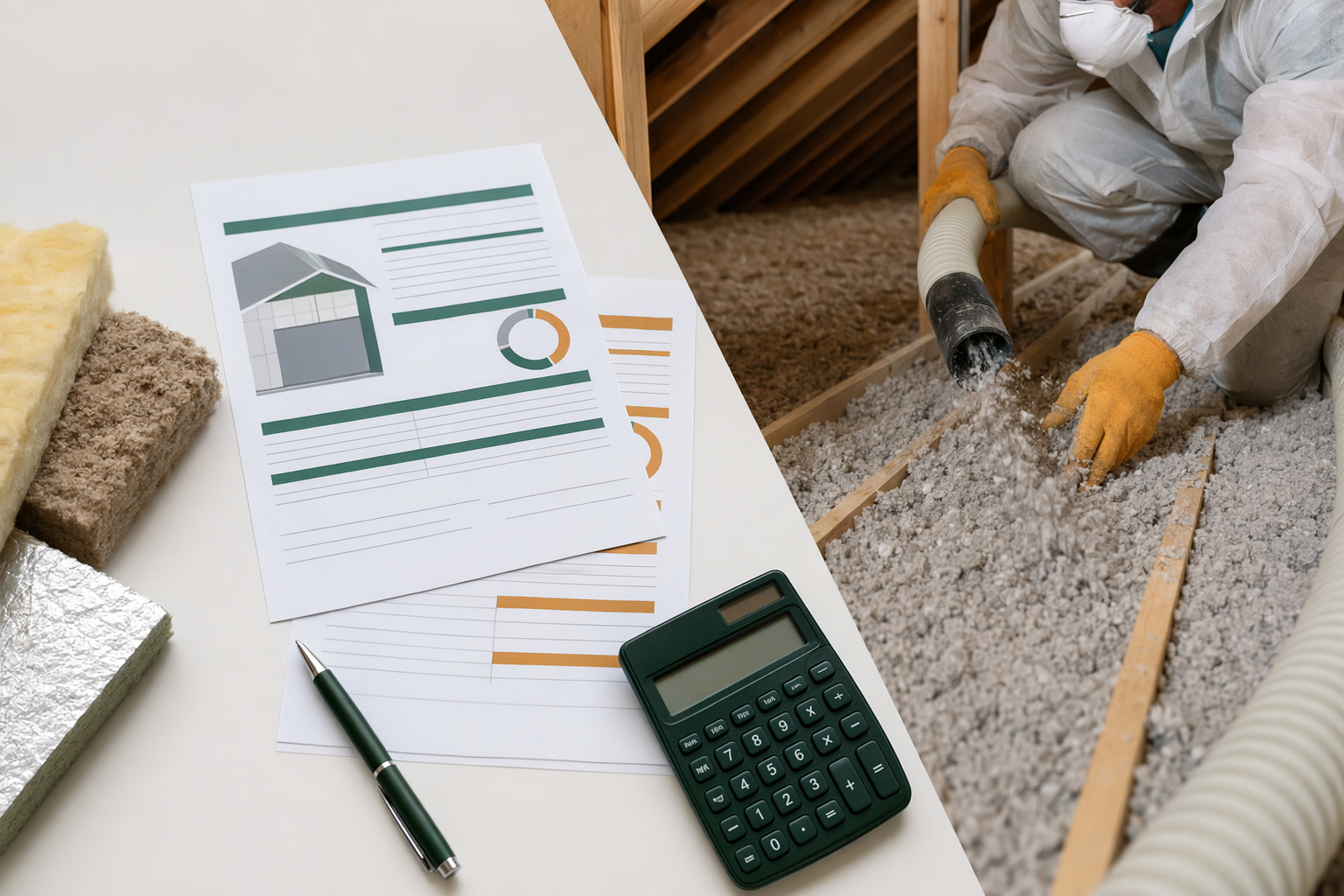
The situation: uncomfortable rooms and a confusing first step
The homeowner had a common problem. The upstairs felt too hot in summer and too cold in winter. One bedroom was noticeably worse than the others. The attic also had older insulation, and the homeowner was not sure whether it was enough, whether it should be removed, or whether air leaks were part of the problem.
They started where many people do: online. But the information felt scattered. Some pages focused only on material types. Others talked about rebates in a way that made them sound simple and guaranteed. The homeowner wanted a clearer path. They wanted to understand typical costs, what R-value meant, and how to compare estimates without feeling pressured.
R-value is a simple way to describe how well insulation slows heat flow. Higher R-value can mean better resistance to heat moving in or out, but more is not always better forever. Past the recommended level for the local climate, the benefit can level off.
The homeowner used Thermline to review basic attic insulation information, look at costs, and request matches through get matched.
What they did: compare scope, ask about air sealing, and verify the rebate
After getting matched, the homeowner spoke with licensed, insured installers and compared written estimates. They did not just compare the bottom-line price. They also checked:
- the attic area being insulated
- the target R-value the job was meant to reach
- the insulation type being proposed
- whether basic attic air sealing was included
- whether old insulation removal was needed in some areas
- permit and code requirements in their area
One proposal stood out because it explained the scope more clearly. It included adding insulation to improve the attic's overall R-value and addressing accessible air leaks before insulating. That mattered because insulation helps most when major gaps and bypasses are handled first. Homeowners who want background on that step can read attic air sealing before insulating.
The homeowner also asked about rebates. Instead of assuming they would qualify, they confirmed the current program details directly with the utility and reviewed the installer's paperwork requirements. That was important. Rebate rules can change, and eligibility often depends on the home, the measure installed, the documentation, and the program's timing.
Thermline did not install the insulation or process the rebate. It helped the homeowner get organized and connect with local pros so they could move forward with better questions and clearer expectations.

The outcome: lower net cost and a more comfortable upstairs
The attic job moved forward, and the local rebate reduced the homeowner's final out-of-pocket cost by roughly half of the attic portion of the work. That result was meaningful, but it was not something they assumed from the start. The actual savings depended on the approved scope and the program rules in place at the time.
After the work was completed, the homeowner noticed that the second floor felt more even. The problem bedroom was still affected by weather, but it was more comfortable than before. The homeowner also felt better about the decision because the written estimate spelled out the intended R-value and job scope.
As with any insulation project, the total price was a typical estimate until the installer confirmed the details. Real cost depends on the area insulated, the R-value target, the material, the home's age and access, whether old insulation must be removed, and the region.
If you want to see more real-life examples of how homeowners think through these projects, browse stories.
The takeaway: slow down, verify details, and get the scope in writing
This story is not about a miracle discount. It is about doing the basics well.
- Learn the goal before comparing materials.
- Ask what R-value the job will reach.
- Check whether air sealing is part of the scope.
- Verify that the installer is licensed and insured.
- Confirm rebate details directly with the utility or program.
- Get price, scope, and key details in writing before any deposit.
For many homeowners, especially if English is not your first language, insulation can feel technical at first. A simple process helps: understand the problem, compare written scopes, and verify the program details yourself. Thermline is a free matching service that can help you plan your next step and connect with local installers, but the installer should confirm the final scope, code requirements, and pricing for your home.
A homeowner used Thermline to compare attic insulation options and get matched with a licensed, insured installer. After checking the program details carefully, a local rebate ended up covering about half of the attic part of the project.