Attic insulation
**Attic insulation** is often the first place homeowners look when rooms feel too hot, too cold, or energy bills seem high. In many homes, improving the attic floor with blown-in or batt insulation, plus air-sealing, can be one of the highest-payback comfort upgrades. Thermline is a free matching service that helps you compare licensed, insured insulation installers near you.
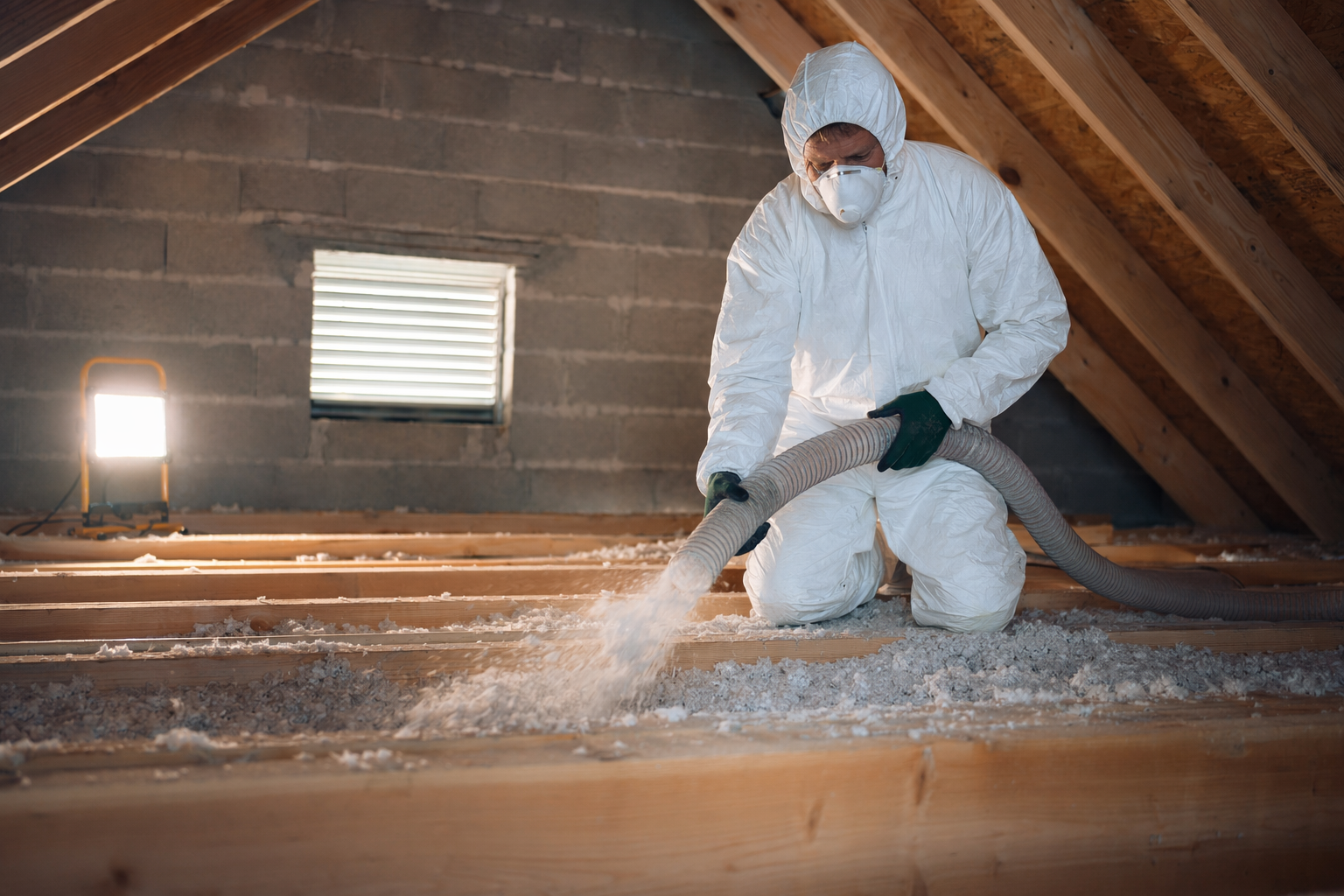
Why attic insulation matters
Your attic affects almost every room below it. When the attic floor is under-insulated or full of air leaks, heated and cooled air can escape through the ceiling. That can make upstairs rooms uncomfortable and force your HVAC system to run longer.
In most homes, the goal is to insulate the attic floor, not the roof deck, unless the home is being designed as a conditioned attic. Common options include blown-in fiberglass, blown-in cellulose, and fiberglass batts. Many projects also include air-sealing first, because insulation works better when big gaps and cracks are closed.
If you want to compare options and local pricing, you can start with costs or get help through get matched.
How attic insulation works
Insulation slows heat flow. R-value is a simple way to measure that. A higher R-value means the material resists heat flow better. But more is not always better forever. The right target depends on your climate zone, attic type, and what is already there.
In plain terms, attic insulation helps keep indoor heat where you want it. In winter, it slows heat loss from the rooms below. In summer, it helps reduce heat coming down from a very hot attic. Air-sealing matters too, because moving air can carry heat and moisture through small openings around wiring, plumbing, recessed lights, and attic hatches.
Many installers recommend a combination of air-sealing plus insulation to a target R-value that fits local code or common recommendations for your area.

How the job is usually done
Most attic insulation jobs follow a similar process:
1. Assessment. The installer measures the attic, checks access, looks at existing insulation depth and condition, and notes issues like moisture stains, pests, blocked vents, or unsafe wiring that may need attention by the proper trade.
2. Prep and protection. They protect the home below, set up safe attic access, and mark reference points so the final insulation depth can be checked.
3. Air-sealing. Before adding insulation, they seal common gaps at the attic floor, such as plumbing and wiring penetrations, top plates, and the attic hatch. This step is often a big part of the comfort benefit. Learn more about how to vet an insulation installer if you want to compare scope carefully.
4. Installation. For blown-in jobs, the material is spread to an even depth across the attic floor. For batt jobs, batts are fitted between and sometimes across framing members without leaving gaps or compressing the material.
5. Final check. The installer should confirm coverage, ventilation pathways, hatch treatment, and the estimated final R-value reached.
Typical attic insulation cost range
A typical installed cost for attic insulation is about $1.50 to $4.50 per square foot for many homes, depending on the material and scope. If the project includes significant air-sealing, difficult access, removal of old insulation, or higher R-value targets, the price can go higher.
These are estimates, not quotes. Your real price depends on:
- the attic size
- the insulation material
- the R-value target
- how much insulation is already there
- whether old insulation must be removed
- access and attic layout
- the home's age and regional labor costs
Blown-in insulation is common for open attic floors because it covers irregular spaces well. Batts can work in some attics, but the fit has to be careful. For a broader pricing breakdown, see costs.
How long attic insulation takes
Many standard attic insulation jobs are finished in one day, especially when the attic is open, dry, and easy to access. Larger attics, older homes, or projects that include removal of old insulation and detailed air-sealing may take longer.
The timeline can also change if the installer finds issues that should be handled first, such as active roof leaks, moisture problems, pest contamination, or code-related ventilation concerns. Ask for the expected start date, job duration, and whether you need to stay out of parts of the home during the work.
Pros and cons of attic insulation
What to ask — and how to verify the installer
Before you agree to the job, get the scope and price in writing. Ask clear questions, especially if you are comparing two or three bids.
You can use Thermline to get matched with local installers, but you should still verify the company yourself. Hire licensed and insured insulation installers, verify the license and insurance directly, and follow local permit and code rules. Before any deposit, make sure the written estimate shows the material, the work area, whether air-sealing is included, and the expected final R-value.
Attic insulation helps keep your home more comfortable by slowing heat loss in winter and heat gain in summer. Many attic jobs include air-sealing first, then blown-in or batt insulation to a target R-value. Prices are usually given as estimates, and you should hire a licensed, insured installer and verify the details yourself.