Insulation rebates & tax credits
Insulation rebates and tax credits can lower your out-of-pocket cost, but the rules are not always simple. Programs vary by utility, state, home type, insulation area, and timing. This guide explains how these savings usually work, what to check before you start, and how to avoid common problems.
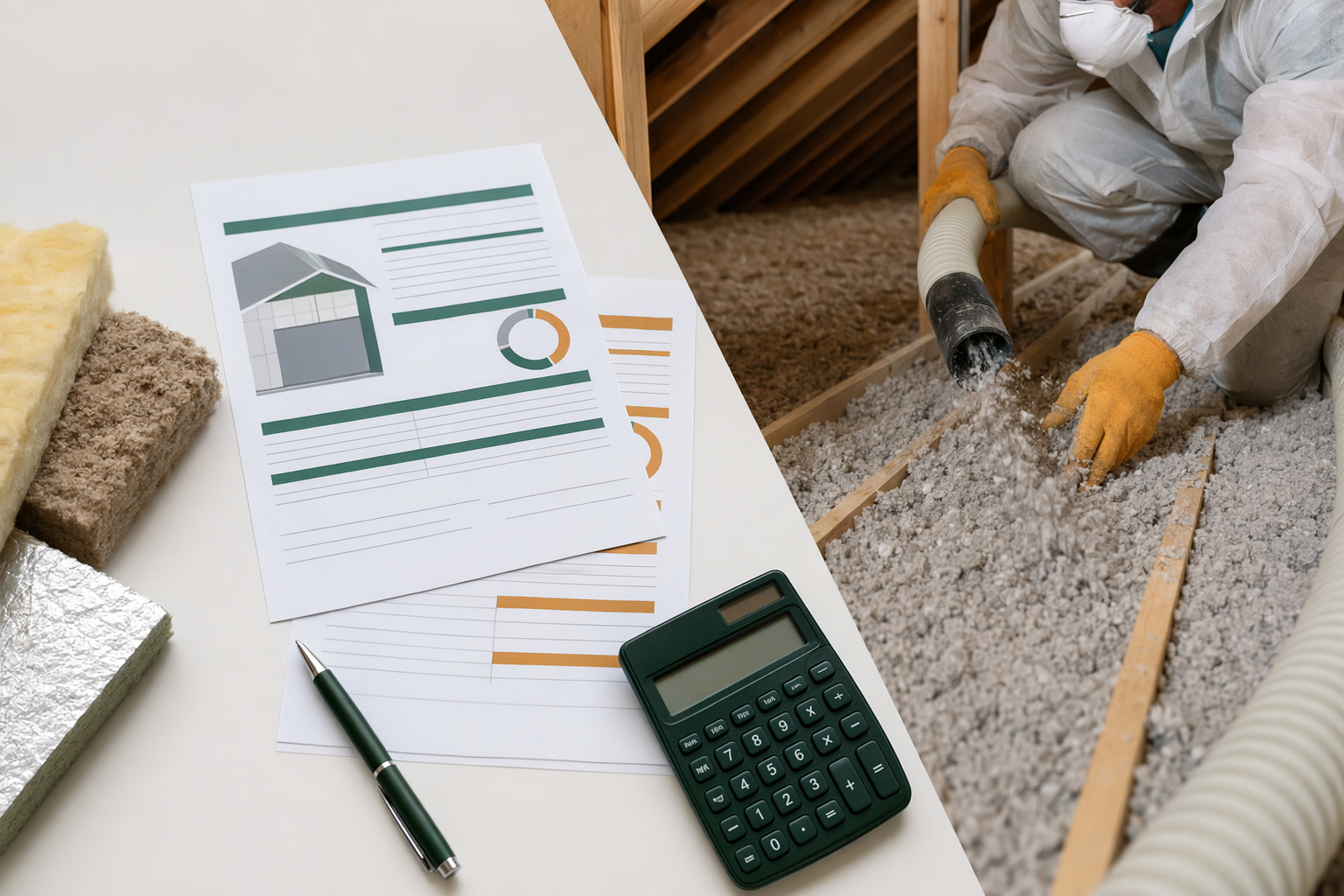
How insulation rebates and tax credits usually work
Many homeowners can combine insulation savings from more than one source. The most common sources are utility rebates, state or local efficiency programs, and the federal energy-efficiency tax credit.
A rebate usually lowers your net cost after the job is done, though some programs apply savings in another way. You may need an approved contractor, certain insulation levels, and paperwork such as an itemized invoice. Some programs also require the home to be your primary residence, or they may only cover specific areas like the attic or crawlspace.
A tax credit is different from a rebate. In general, it may reduce the federal income tax you owe if your project meets current rules. The amount, limits, and eligible products can change. That is why it is important to confirm current details directly with the program and, for tax questions, with a tax professional.
Insulation incentives often focus on energy savings, but they also connect to comfort. If your home is too hot in summer or too cold in winter, better insulation and air sealing may help. To compare typical project pricing first, see insulation costs.
Key points to know before you count on savings
The biggest thing to know is this: do not assume you qualify until you verify the current rules. Programs change. Budgets run out. Required paperwork can be very specific.
You will also see the term R-value often. R-value is a simple way to describe how well insulation slows heat flow. A higher R-value means more resistance to heat moving through that part of the house. But more is not always better forever. After the recommended level for your climate zone, the added benefit usually gets smaller.
A rebate or tax credit may depend on the final R-value the job will reach, not just the material used. That is why your written estimate should clearly say what area will be insulated, what material will be used, and the target R-value after the work is complete.

What to do if you want to find rebates or tax credits
1. List the problem areas in your home.
Write down where you feel uncomfortable rooms, drafts, uneven temperatures, or high bills. Common areas are attics, exterior walls, crawlspaces, basements, and rim joists.
2. Learn the recommended insulation level for your area.
This helps you understand whether a project may meet program requirements. Focus on the final R-value target, not just a product name.
3. Check current programs before you book the job.
Look at your utility company, state energy office, and local efficiency programs. Read the current rules carefully. Confirm whether the program is active, what homes qualify, whether pre-approval is needed, and what documents are required.
4. Ask each installer about program experience.
An installer may know the paperwork commonly requested, but you should still verify the official rules yourself. Ask them to show the expected insulation area, material, and target R-value in writing.
5. Compare written estimates, not verbal promises.
A proper estimate should describe the scope of work, insulation type, approximate coverage area, air sealing if included, and the R-value the job is intended to reach. This makes it easier to compare bids fairly.
6. Keep every document.
Save the contract, invoice, receipts, product details, and any program forms. If you plan to claim a tax credit, good records matter.
7. Confirm the final details before filing anything.
Program requirements can change between the time you start researching and the time the work is done. Recheck the current instructions before submitting paperwork.
If you want help comparing local options, Thermline can help you get matched with licensed, insured insulation installers near you. Thermline is a free matching service. We do not install insulation, perform audits, or guarantee rebate or tax-credit eligibility.
Common mistakes homeowners make
Your next step
If you think insulation incentives may help, start by checking current program details and building a simple comparison of your project options. Look at the area you want to insulate, the target R-value, the material type, and the full installed price before any possible rebate or tax benefit.
Then talk to licensed, insured installers and ask for written estimates you can compare side by side. If you want a simpler way to start, Thermline can help you connect with local pros through our free matching service. You can also explore our main guide on utility rebates and tax credits for more background on how these programs generally work.
A rebate or tax credit may lower the cost of insulation, but the rules can change. Always check the current program details, hire licensed and insured installers, and get the job scope and target R-value in writing before you pay a deposit.