Wall insulation
Wall insulation can help rooms feel less drafty and more even in temperature. For many homes, **finished exterior walls can sometimes be insulated without opening every wall**. A common retrofit method is dense-pack blown-in insulation through small holes. Thermline is a **free matching service** that helps you compare licensed, insured insulation installers near you.
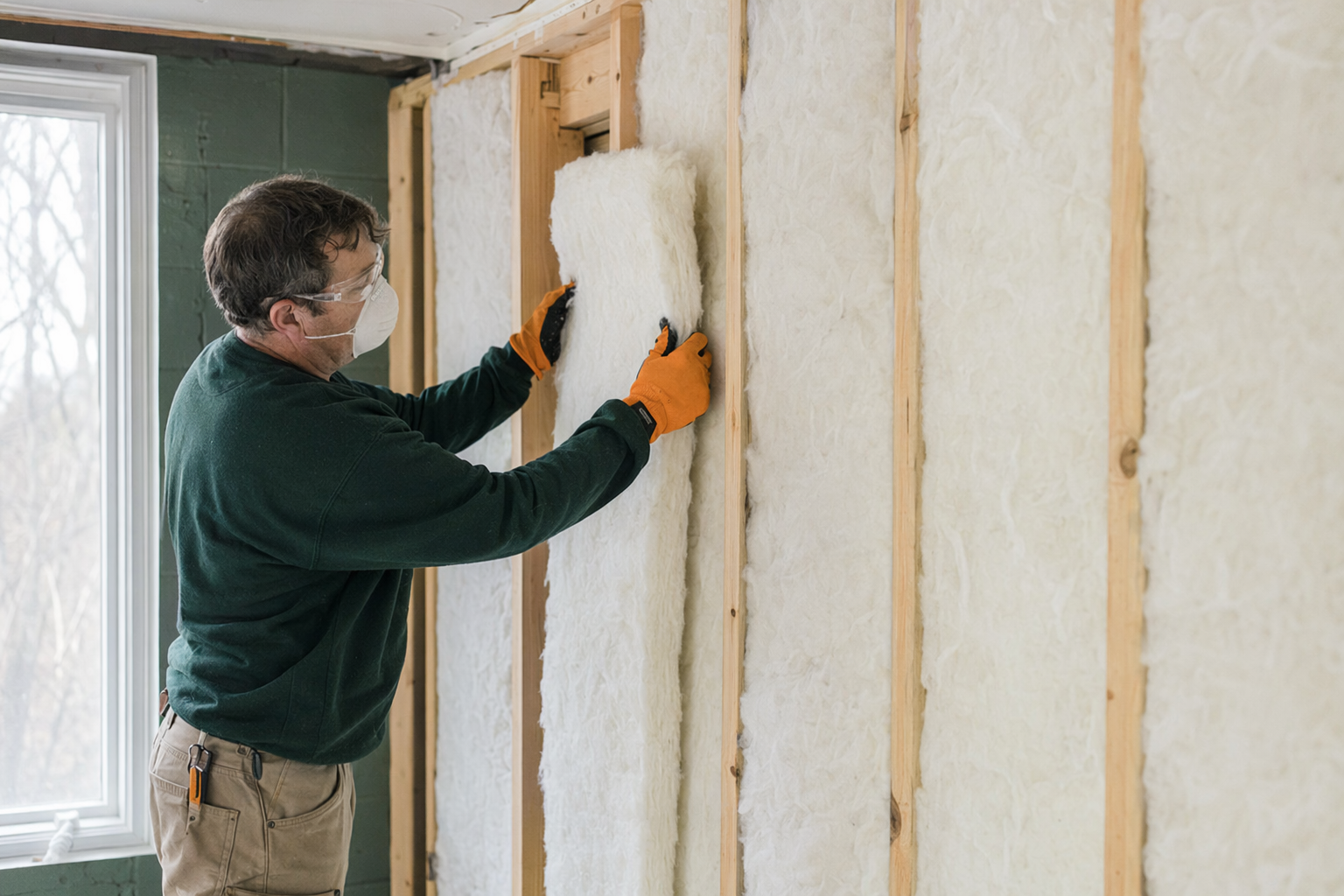
What wall insulation is and when it makes sense
Wall insulation slows heat flow through your exterior walls. In simple terms, it helps keep indoor air from escaping too fast in winter and helps outdoor heat stay out longer in summer.
For older homes, wall cavities may have little insulation or none at all. In that case, retrofit wall insulation can be worth looking at. Installers may add insulation to finished walls by drilling small access holes and filling the wall cavities, instead of doing a full tear-out.
Common options include blown-in fiberglass, dense-pack cellulose, and in some cases spray foam. The best fit depends on the wall type, climate, existing insulation, moisture conditions, and the R-value goal. R-value means how well insulation resists heat flow. Higher R-value usually means more resistance, but more is not always better once you reach the recommended range for your climate and wall assembly.
If you want to compare wall insulation with other projects first, see costs or get started with wall insulation.
How wall insulation retrofit usually works
Most wall insulation jobs follow the same basic steps. The exact method depends on siding, wall depth, whether the walls are already insulated, and how easy the cavities are to reach.
1. Assessment
The installer checks the wall type, likely cavity depth, access points, and signs of moisture, wiring complications, or previous insulation. They may explain whether the work will be done from the exterior or interior.
2. Prep and air-sealing
Some gaps around penetrations, trim, or other leakage points may be addressed as part of the scope. Air leaks matter because insulation works best when uncontrolled air movement is reduced.
3. Drill and fill
For retrofit work, small holes are made in each wall cavity. The installer blows in material at a set density so the cavity fills more completely. With finished walls, this is often called dense-pack installation.
4. Patch and clean up
The access holes are plugged and patched. The finish quality can vary by scope, especially if siding or interior finishes need touch-up.
5. Final check
Before you pay the final balance, review the written scope and confirm what areas were insulated, what material was used, and what R-value the job is expected to reach.
If you are early in your research, get matched to compare local installers.

Typical installed cost range
A typical installed cost for wall insulation retrofit is often about $2.50 to $7.50 per square foot of wall area. In some homes, the range can be lower or higher.
This is an estimate, not a quote. Real pricing depends on:
- Total wall area
- Target R-value
- Insulation material used
- Wall depth and framing layout
- Exterior vs. interior access
- Home age and access difficulty
- Removal of old insulation, if needed
- Patch/finish work included
- Local labor rates and region
Spray foam wall projects often cost more than blown-in fiberglass or cellulose. Homes with brick, stone, plaster, or complicated siding details may also cost more because access and patching can be harder.
For broader pricing context, visit costs.
How long the job takes
Many wall insulation retrofit jobs take about 1 to 3 days. A small, simple project may be faster. A larger home, harder access, or extra patching can take longer.
The timeline usually depends on how many exterior walls are included, whether the crew works from inside or outside, weather conditions, and how much prep and cleanup are needed. If old material must be removed first, or if moisture issues need to be addressed by the homeowner before insulation is added, the schedule can stretch out.
Ask the installer what is included in the work days and whether patching, touch-up, and cleanup are part of the written scope.
Pros and cons of wall insulation
Questions to ask before you hire
Get the answers in writing before you pay a deposit. Clear scope matters as much as price.
Verify the installer before you move forward
Hire licensed and insured insulation installers, and verify the license and insurance yourself. Ask for the full company name on the paperwork. Review the written estimate carefully, including material type, areas included, target R-value, patching, cleanup, and payment terms.
Thermline does not install insulation. We help homeowners compare local companies. To prepare, read how to vet an insulation installer and then get matched with local pros.
Wall insulation helps slow heat moving through exterior walls. In many homes, installers can add it to finished walls with small holes instead of removing all the drywall. Price and results vary, so compare licensed, insured installers and get the material, areas covered, and target R-value in writing.