The Upstairs Bedroom That Was Always Cold
One family told us the same thing many homeowners say in winter: **the upstairs bedroom never felt comfortable**, even when the heat was running. This is an anonymized story of how they used Thermline to learn their options, compare typical costs, and get matched with a licensed, insured insulation installer near them.
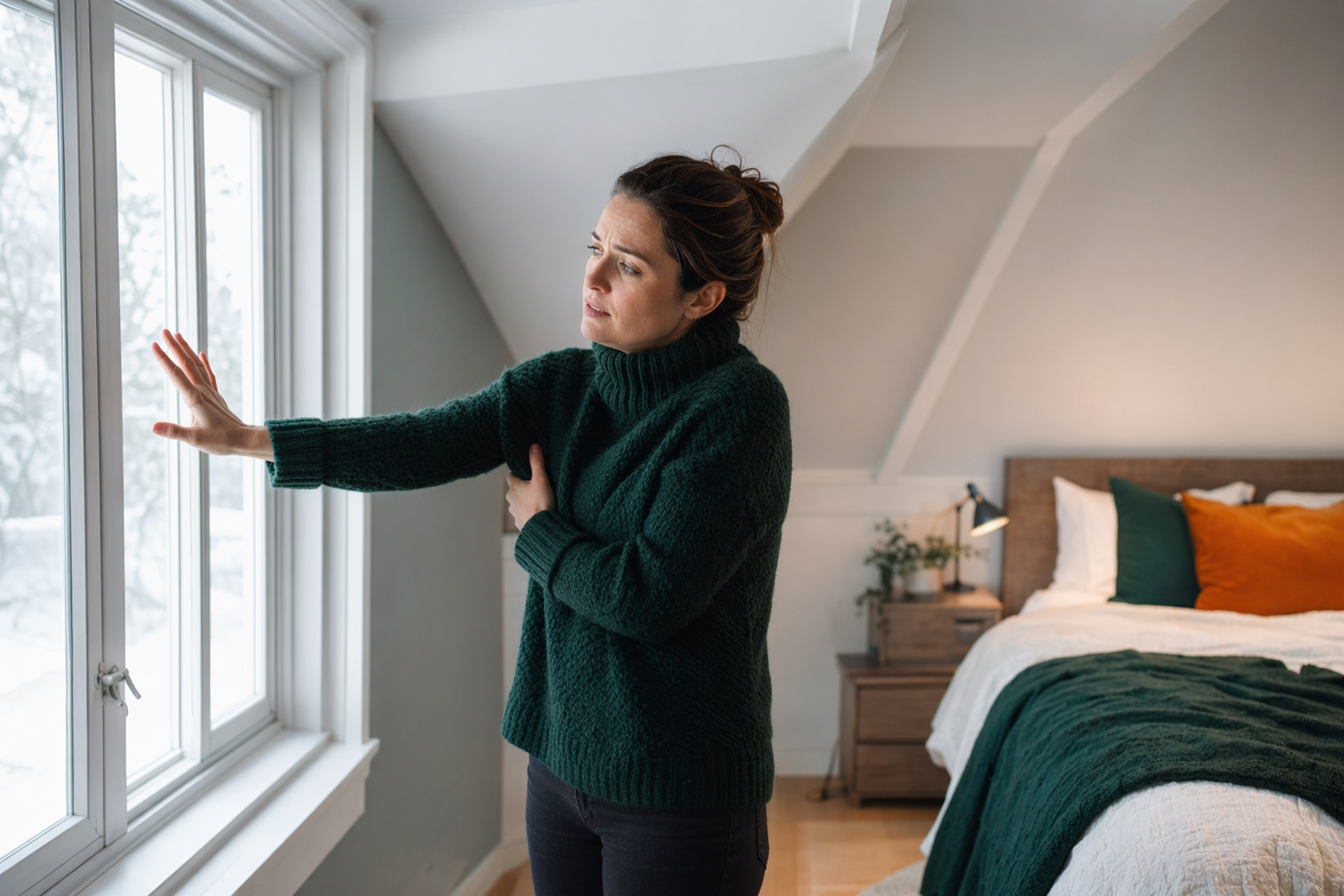
The room that never felt right
The problem seemed small at first. One upstairs bedroom was much colder than the rest of the house. At night, the room felt drafty. In the morning, the floor and outside-facing wall felt especially chilly.
The homeowner was not sure what was causing it. They wondered if the heater was too weak, if the windows were the problem, or if the house simply needed more insulation. Like many people, they did not want to guess and spend money on the wrong fix.
They started by learning the basics. They read about how insulation helps slow heat flow and how R-value is a simple way to describe that resistance. A higher R-value means insulation does a better job slowing heat movement, but more is not always better forever. The right target depends on the home's climate zone and where the insulation is going. They also learned that air leaks can make a room feel cold even when insulation is present.
To get organized, the homeowner used Thermline to review next steps and request help through get matched.
What the homeowner did
After sharing basic project details, the homeowner was matched with a local insulation installer. Thermline did not perform an inspection or installation. We simply helped the homeowner take the next step and connect with a licensed, insured company.
The installer looked at likely trouble spots around the bedroom area and nearby attic. The written scope focused on two common comfort issues:
- Adding insulation in the attic to improve the thermal barrier above the room
- Air-sealing around gaps and penetrations so warm indoor air would not escape as easily
The homeowner also compared the typical price ranges on Thermline's costs page and read more about similar experiences in homeowner stories. That helped them understand what can affect the final price: the area being insulated, the R-value target, the material used, access to the space, the age of the home, and whether any old insulation needed to be removed first.
Before moving forward, the homeowner did a few smart checks:
- Verified that the installer was licensed and insured.
- Asked for the scope and target R-value in writing.
- Confirmed whether local permits or code requirements applied.
- Reviewed the deposit amount and installation timeline before agreeing to the job.

The outcome
The result was not magic overnight savings or a perfect house. But it was a meaningful improvement.
After the work was completed, the upstairs bedroom felt more even with the rest of the home. The room warmed up faster, felt less drafty, and was easier to use at night without extra blankets and space heaters. The homeowner also felt better knowing the work addressed the likely source of the problem instead of guessing.
Just as important, the family went into the project with clearer expectations. They understood that comfort problems can have more than one cause. In some homes, insulation is a major part of the fix. In others, air leakage, moisture issues, duct problems, windows, or other conditions may also matter.
Their final cost was based on the actual scope of work, not a flat online number. That is normal for insulation projects. Prices are usually estimates until an installer reviews the home and the work needed.
The takeaway
If one upstairs bedroom is always colder than the rest of the house, the answer is not always to turn up the thermostat. A better next step is to learn how insulation and air-sealing work together, then speak with a qualified local installer.
Thermline is a free matching service. We help homeowners compare information, understand common project options, and connect with licensed, insured insulation installers. We do not install insulation, perform energy audits, or give construction advice.
If you are dealing with a room that feels too cold or too hot, start by gathering information, asking clear questions, and getting the scope in writing before any deposit. A focused insulation upgrade can sometimes make a stubborn room much more comfortable.
One family's upstairs bedroom was always cold, so they used Thermline to learn about insulation and get matched with a licensed, insured installer. After attic insulation and air-sealing work, the room felt less drafty and more comfortable.