A First Winter, and a Heating Bill Shock
Their first cold season in the home brought an unpleasant surprise: rooms that felt uneven, a heater that seemed to run all the time, and a winter utility bill that was much higher than expected. This is an anonymized story of how one homeowner used Thermline to learn the basics, compare options, and get matched with a licensed, insured insulation installer near them.
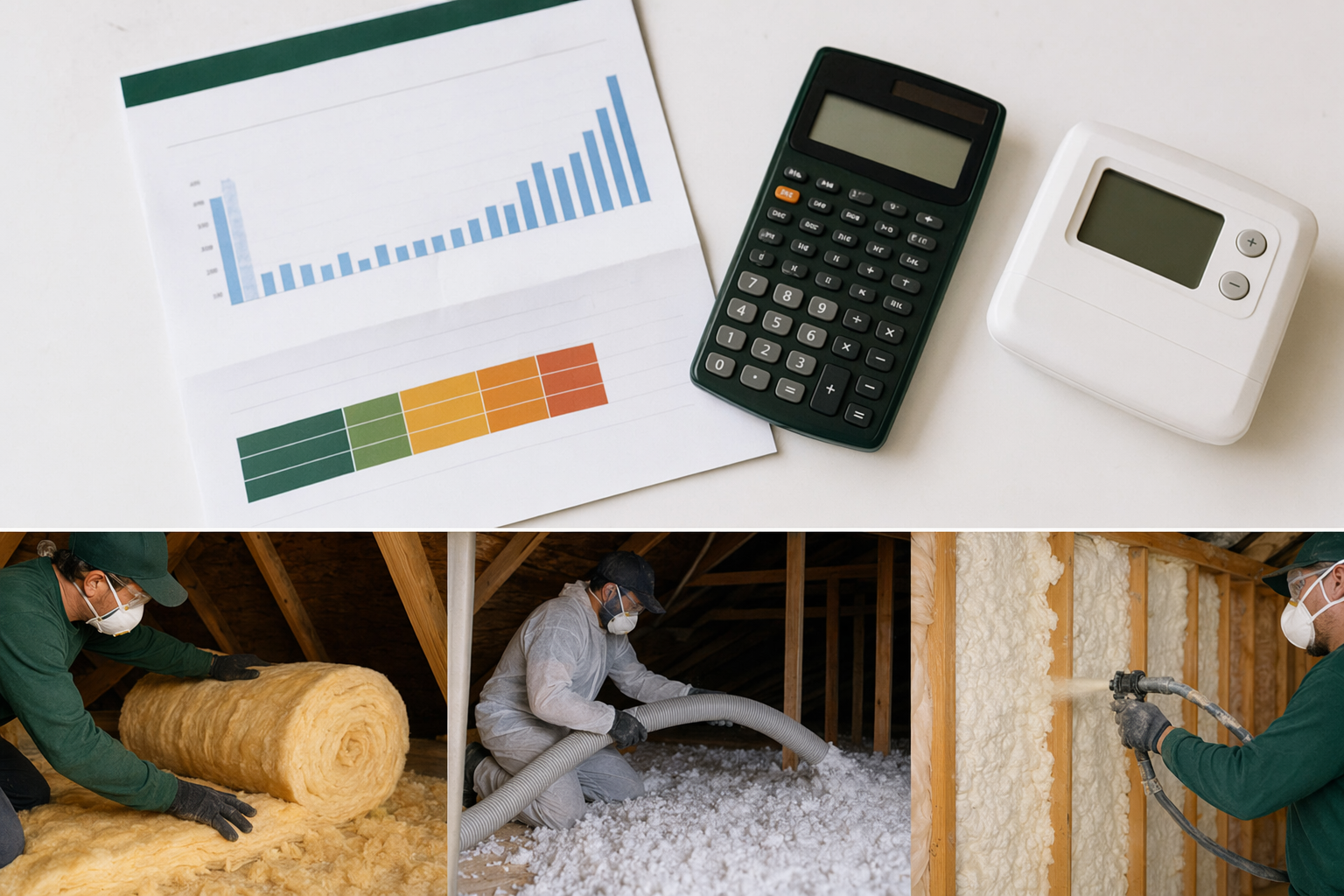
The situation: a home that felt colder than the thermostat said
The homeowner had recently bought an older house. On paper, it seemed manageable. But once winter arrived, the problems became hard to ignore.
The upstairs bedroom felt chilly at night. One side of the living room was drafty. The floors near an exterior wall felt cold in the morning. Even when the thermostat was set higher, the comfort in the home did not feel consistent.
Then the heating bill arrived. It was much higher than the homeowner expected for the size of the house. That created stress right away. Like many first-time owners, the homeowner was trying to balance repairs, moving costs, and regular monthly bills.
They were not sure where to start. Was the problem attic insulation, wall insulation, air leaks, or old insulation that had settled over time? They did not want to guess and pay for the wrong work.
So they started by reading more about common problem areas and typical pricing on Thermline's costs page and browsing other homeowner stories.
What they did: learned the basics and compared written estimates
Instead of rushing into the first offer, the homeowner used Thermline to get organized. They wanted to understand the job before talking with installers.
They learned that R-value is a simple way to describe how well insulation slows heat flow. Higher R-value can help more, but only up to the recommended level for the home's climate and assembly. After that, the benefit can taper off. They also learned that air sealing is often important before adding insulation, especially in attics.
Using get matched, the homeowner was connected with local insulation installers. Thermline did not perform the work or inspect the home. The goal was to help the homeowner move forward with better questions and a clearer plan.
The homeowner asked each installer for the scope in writing, including:
- Which areas would be insulated
- Whether air sealing was included
- The insulation type proposed
- The target R-value for the finished job
- Whether any old insulation needed removal
- Cleanup, access issues, and permit questions
The estimates were not identical. One focused mainly on adding attic insulation. Another also pointed out likely air leaks around attic penetrations and recommended sealing those areas first. The homeowner reviewed the details carefully and used guidance similar to Thermline's how to read an insulation estimate guide.
Price was part of the decision, but not the only part. The homeowner chose a licensed and insured installer whose written scope was clearer and more complete. They also verified the company's license and insurance themselves before agreeing to the job.

The outcome: better comfort, with realistic expectations
The work did not turn the home into something perfect overnight. But the homeowner noticed clear improvements after the project was completed.
The upstairs room felt more stable overnight. Draftiness was reduced in the areas that had bothered them most. The heating system did not seem to cycle as often during cold weather, and the house felt less uneven from room to room.
The homeowner also felt better because they understood what had been done. They knew the material used, the approximate R-value the job was meant to reach, and which parts of the house had been addressed.
As for cost, they learned an important lesson: insulation pricing is not one flat number. Typical ranges depend on the area insulated, the R-value target, the material, the home's age and access, whether old insulation must be removed, and the region. Savings on future energy bills can happen, but they vary and are never guaranteed.
The result was not just about the next bill. It was also about comfort, fewer cold spots, and more confidence in the house.
The takeaway: slow down, ask good questions, and get the scope in writing
This story is common. A first winter often reveals issues that were easy to miss during a quick showing or a warmer season.
The homeowner's biggest win was not chasing the cheapest promise. It was taking a little time to understand the problem, compare written scopes, and confirm that the installer was licensed and insured.
If your home feels drafty, uneven, or expensive to heat, insulation may be part of the answer. But the right approach depends on where the problem is and what level of insulation already exists. Start with education, compare options carefully, and make sure the written estimate says what will be installed and what R-value the job is expected to reach.
If you want help taking the next step, Thermline can help you get matched with licensed, insured insulation installers in your area at no cost.
A homeowner had a high first winter heating bill and found that poor insulation and air leaks were likely part of the problem. After learning the basics and comparing written estimates from licensed, insured installers, they chose a clearer scope and saw more even comfort in the home.