Why Air-Seal the Attic Before Insulating
If you are planning attic insulation, it helps to know one simple thing first: **insulation slows heat flow, but air leaks let heated or cooled air escape**. That is why many homeowners air-seal the attic floor and other attic gaps before adding insulation.
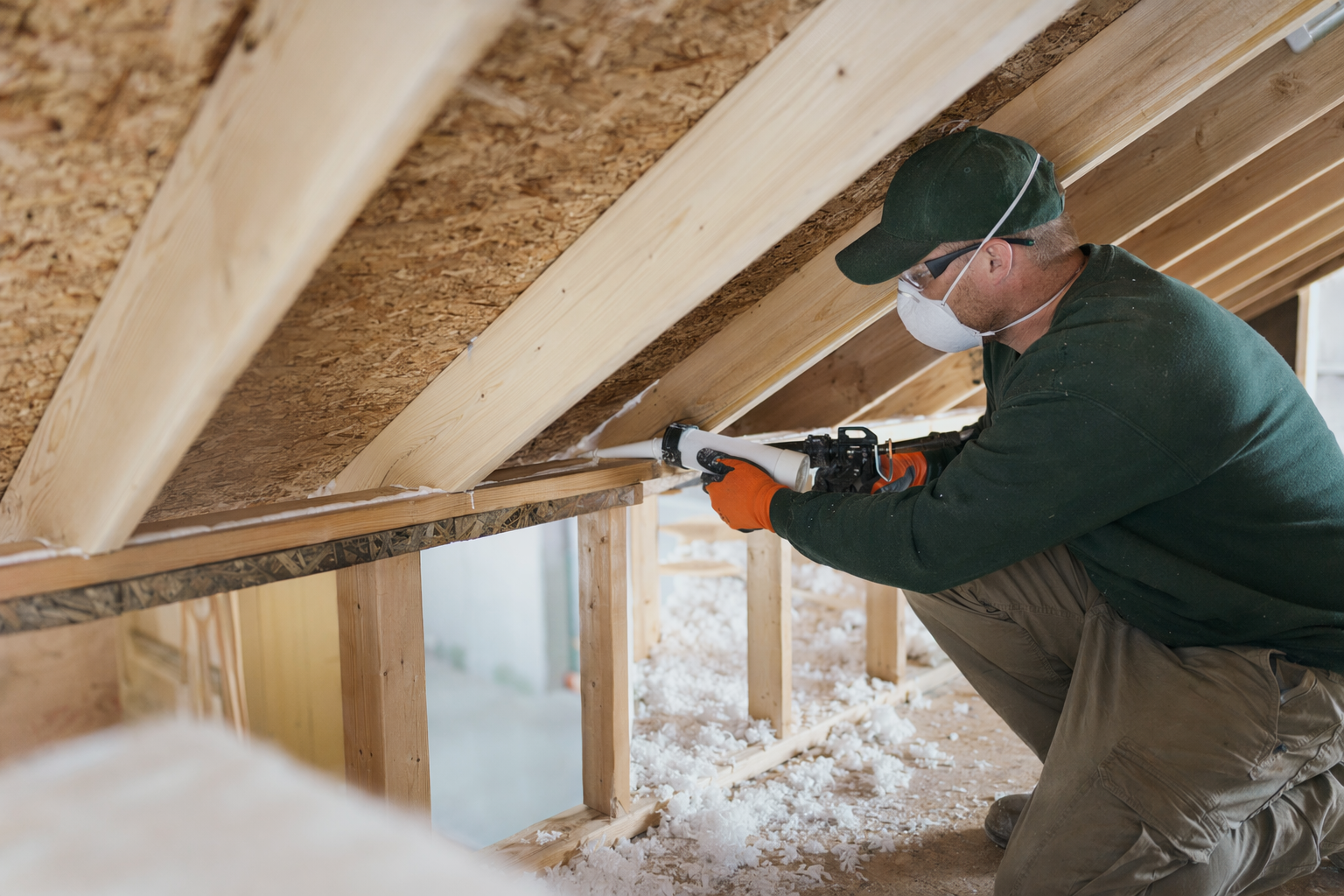
The short answer
Air-sealing the attic before insulating usually makes the insulation work better. Small gaps around wiring, plumbing, recessed lights, attic hatches, and top plates can let indoor air leak into the attic. If those leaks stay open, your home can still lose comfort and energy even after new insulation is added. In many homes, sealing the leaks first is a smart step before adding more attic insulation.
Why air-sealing comes first
Think of insulation like a winter coat. It helps slow heat moving through the ceiling. But if the coat has open holes, air can still move through easily.
In plain language, R-value is a measure of how well insulation resists heat flow. A higher R-value can help up to the recommended level for your climate, but more is not always better forever. If major air leaks are still open, even good R-value may not perform as well as you expect.
Air-sealing first can help with:
- Better comfort in rooms below the attic
- Fewer drafts
- Less warm, moist indoor air reaching the attic in cold weather
- Better performance from new or existing insulation
If you want a step-by-step look at the process, see attic air sealing before insulating.

Common attic leaks that matter
Many attic air leaks are small, but together they can add up. Installers often look for openings where air from the living space can move upward into the attic.
Common examples include:
- Gaps around plumbing pipes and vent penetrations
- Openings around electrical wires and ceiling boxes
- Recessed light fixtures, depending on type and condition
- The attic hatch or pull-down stairs
- Gaps at wall top plates and dropped soffits
- Open chases around ducts or framing connections
Older homes often have more hidden gaps. Homes with uneven temperatures, dusty attic insulation, or higher heating and cooling bills may also have more leakage. If old insulation needs to be moved or removed to reach leaks, that can affect the final scope and price.
For typical price ranges for insulation work, visit costs. Remember, any cost you see online is only an estimate. The real price depends on the area insulated, the R-value target, the material, access, home age, whether old insulation must be removed, and your region.
What happens if you skip air-sealing
Skipping air-sealing does not always mean an insulation project will fail. But it can mean you get less value from the insulation you pay for.
Possible downsides include:
- Ongoing drafts or uneven room temperatures
- Heat loss in winter and heat gain in summer through leakage paths
- Moisture problems when indoor air reaches cold attic surfaces
- Insulation that does not perform as well as expected
This is one reason it helps to ask each installer how they handle attic air leaks, what areas are included in the scope, and what R-value the finished job is expected to reach. You can use this guide on how to vet an insulation installer before you hire anyone.
What to do next
1. Check whether your attic project includes air-sealing as well as insulation.
2. Ask each installer to explain the scope in writing, including the target R-value, what leaks they plan to seal, what material they recommend, and whether old insulation removal is included.
3. Hire licensed and insured insulation installers, and verify the license and insurance yourself.
4. Ask whether local permits or code requirements apply in your area.
5. If you want help comparing local options, Thermline can help you get matched with licensed and insured insulation installers near you. Thermline is a free matching service. We do not install insulation or perform home inspections or energy audits.
Insulation works better when attic air leaks are sealed first. Ask licensed and insured installers to put the air-sealing scope and final R-value in writing before you pay a deposit.