When to Replace Old or Damaged Insulation
Old insulation does not always need to be removed just because it is old. But if it is wet, moldy, badly settled, pest-damaged, contaminated, or no longer helping your home stay comfortable, it may be time to replace part or all of it.
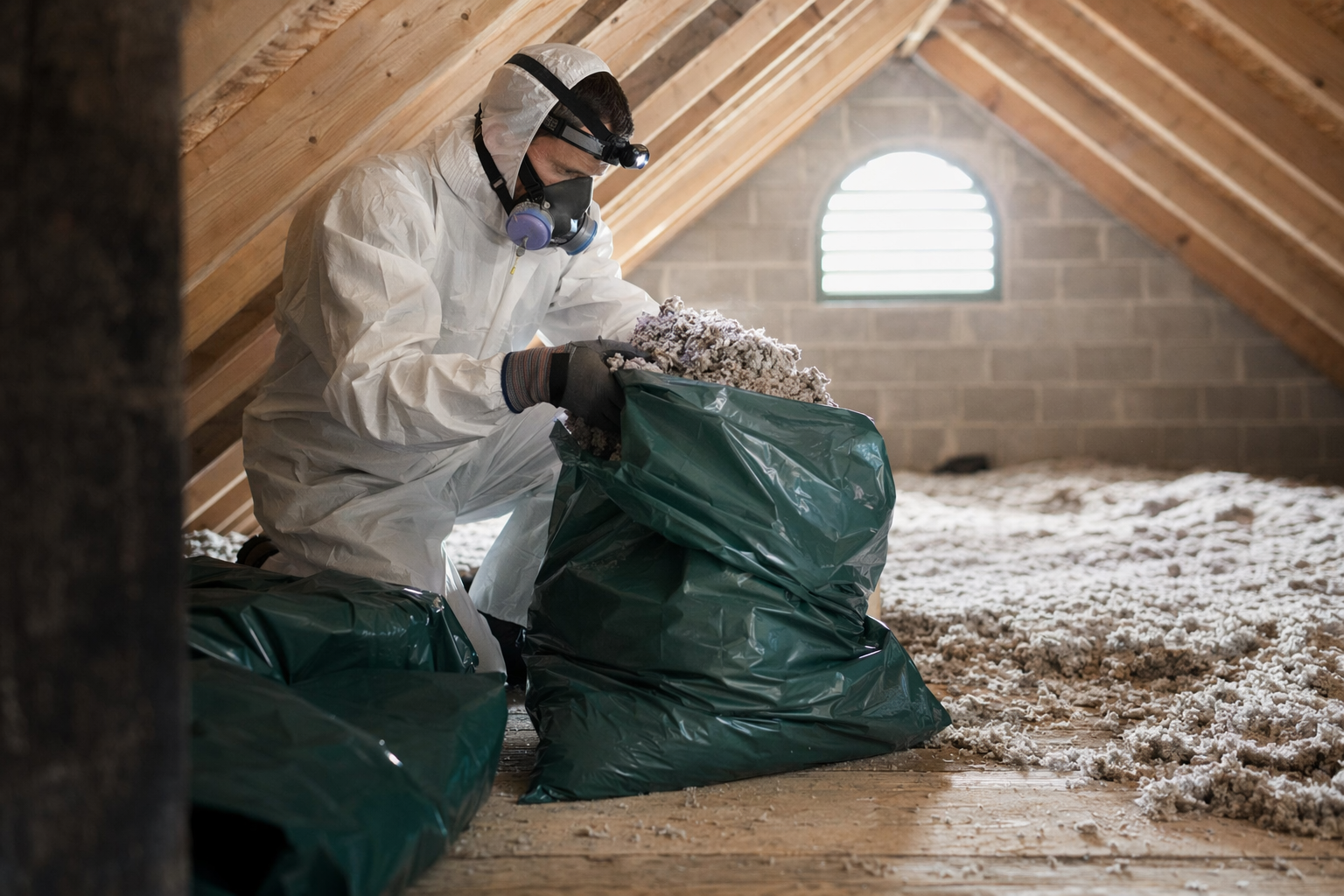
Intro
Insulation can last a long time. In many homes, older insulation still works well enough to keep if it is dry, clean, and in decent shape. But age by itself is not the main issue. Condition matters more than age.
If your home feels drafty, rooms are hard to heat or cool, or you see signs of damage in the attic, walls, crawlspace, or basement, it is smart to take a closer look. If you are comparing project options, costs can help you understand typical price ranges before you talk with local installers.
The short answer
Replace old insulation when it has water damage, mold, pest contamination, smoke or other contamination, heavy compression, major settling, or visible deterioration. You may also replace it when the insulation level is far below what is normally recommended for your climate and adding more on top is not a good option. In some cases, homeowners can keep existing insulation and add more instead of removing everything. The best path depends on the material, how damaged it is, access to the area, and whether the job also needs air sealing or moisture fixes.

Signs insulation may need replacement
Some problems mean insulation is no longer doing its job well.
- Wet insulation: If insulation has been soaked by a roof leak, pipe leak, flooding, or long-term moisture, it may lose performance and can support mold growth.
- Mold or strong odors: Insulation with mold, mildew smell, or contamination usually needs professional evaluation and often removal.
- Pest damage: Droppings, nesting, tunneling, or strong animal odors are common reasons to remove affected material.
- Settling or compression: Blown-in insulation can settle over time. Batts can slump or get compressed. When this happens, the insulation layer becomes thinner and less effective.
- Dusty, dirty, or damaged material: Torn facings, crumbling material, or heavy debris can be signs the insulation should be replaced.
R-value is a simple way to describe how well insulation slows heat flow. Higher R-value means more resistance to heat moving in or out. But more is not always better forever. There are diminishing returns after the recommended level for your climate zone. If you want help understanding options, see how to vet an insulation installer.
When adding more may be enough
Not every older insulation job needs full removal.
If existing insulation is dry, fairly clean, and not contaminated, a licensed and insured installer may say it is reasonable to add more on top or in the same area. This is common in attics where the old insulation is simply too low for today's comfort and energy goals.
Adding more can make sense when:
- The material is still in decent condition
- There are no moisture or pest problems
- The space can be air-sealed first if needed
- The final R-value target is written clearly in the estimate
Many homeowners replace insulation only in damaged sections and add more elsewhere. If you are planning a project, get matched to compare local licensed and insured insulation installers.
What to check before you decide
Before agreeing to replacement, ask the installer to explain why removal is needed and whether partial removal or adding more insulation is a reasonable option.
Get the scope in writing, including:
- Which areas will be removed and why
- Whether old material will be bagged and disposed of properly
- Whether air sealing is included
- The insulation type being installed
- The R-value the job is expected to reach
- Whether permits or code requirements apply in your area
Typical project cost ranges are estimates, not quotes. The real price depends on the area insulated, the R-value target, the material, your home's age and access, removal of old insulation, and your region. You can review general pricing ideas on attic insulation cost and compare them with written estimates from installers.
What to do next
Start with a simple goal: find out whether your insulation is still usable, needs more added, or should be replaced.
- Look for clear warning signs like moisture, mold, pests, bad odors, or major settling.
- Ask for written estimates from licensed and insured installers.
- Verify the license and insurance yourself.
- Make sure the estimate lists the material, areas included, and final R-value target before any deposit.
- Follow local permit and code rules.
Thermline is a free matching service. We help homeowners compare local insulation installers. We do not install insulation or perform inspections. If you are ready to explore your options, use get matched.
Old insulation does not need replacement just because it is old. Replace it when it is wet, dirty, damaged, contaminated, or no longer working well, and ask licensed and insured installers to explain the best option in writing.