How Much Does Attic Insulation Cost?
Attic insulation cost depends on **how big the attic is, what material you choose, how much insulation is already there, and how hard the space is to access**. This guide gives typical ranges so you can plan your budget and compare estimates with more confidence.
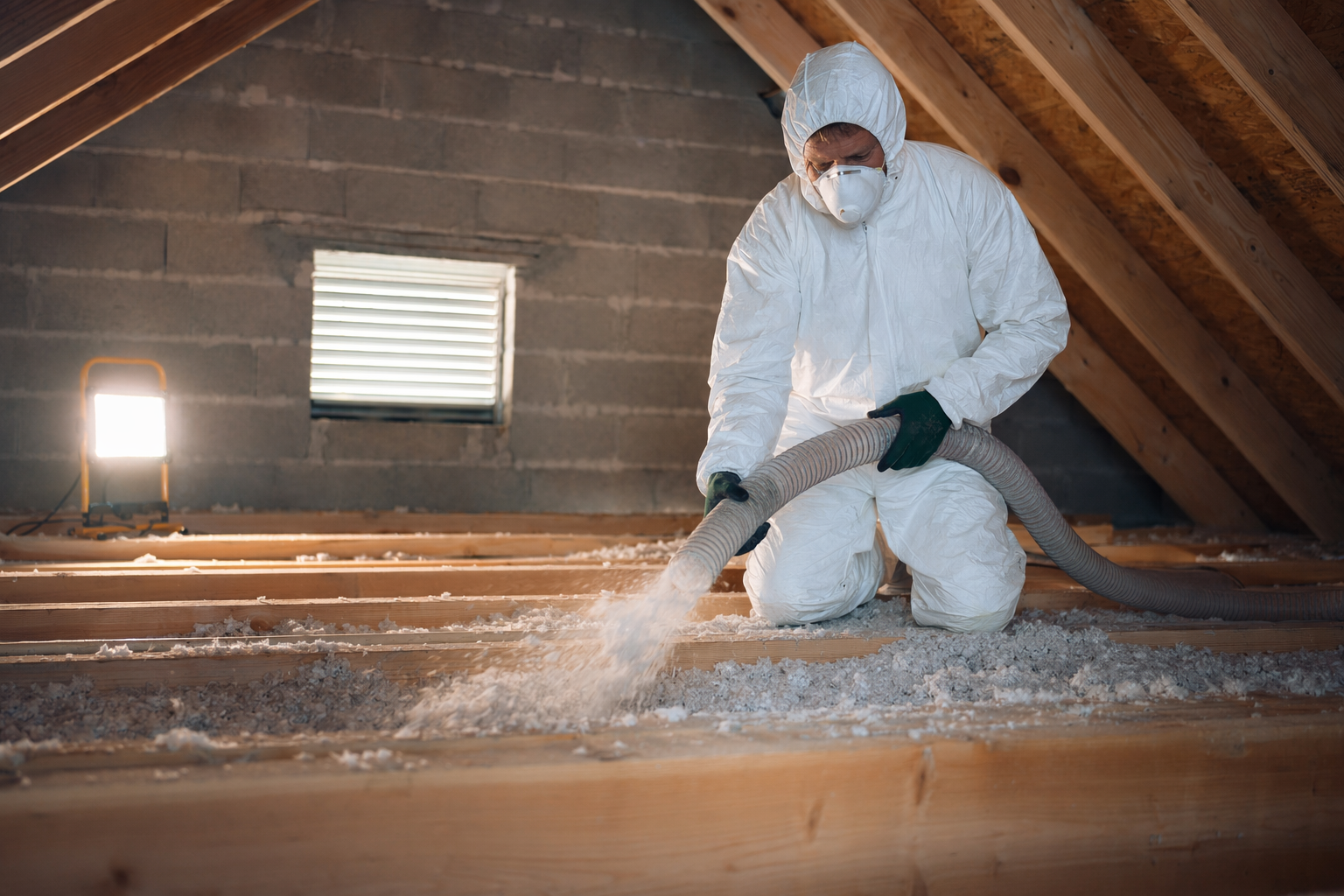
Why attic insulation cost can vary so much
Attic insulation is one of the most common places homeowners start. It can help with comfort and energy use, especially if your attic is under-insulated or has obvious air leaks. But there is no one price that fits every home.
Most attic insulation projects fall into a wide typical range, from a smaller top-off job to a larger project that includes air sealing, adding material to reach a target R-value, or removing damaged old insulation first. These are estimates, not quotes. The real price depends on the area insulated, the R-value target, the material, the home's age and access, removal of old insulation, and your region.
If you want a broader look at pricing, see insulation costs.
The short answer
For many homes, attic insulation may cost from about a few thousand dollars for a straightforward job to several thousand more for a larger or more complex project. Blown-in fiberglass or cellulose is often used in attics and may be less expensive than spray foam, while projects that include air sealing, baffles, old insulation removal, or difficult access usually cost more. R-value matters too: R-value is a simple way to measure how well insulation slows heat flow. Higher R-value means more resistance to heat moving in or out, but more is not always better forever — there are diminishing returns once you reach the recommended level for your climate zone.

What affects the price
The biggest cost factor is usually attic size. More square footage means more material and more labor.
The next big factor is what the attic needs, not just what material you pick. A clean, open attic that only needs more blown-in insulation is usually simpler than an attic with wiring obstacles, storage platforms, tight access, moisture issues, or compressed old insulation.
Material choice also changes the budget:
- Blown-in fiberglass or cellulose is common for open attic floors.
- Fiberglass batts may be used in some situations, but fit matters.
- Spray foam usually costs more and is often chosen for specific air-sealing or roofline applications.
Labor and prep work can add a lot. Examples include:
- Air sealing around attic penetrations
- Installing ventilation baffles where needed
- Removing old or contaminated insulation
- Building up areas around hatches or walkways
- Working in a hard-to-reach attic
For a closer look at comparing contractor scope, read how to vet an insulation installer.
Typical attic project scenarios
A basic top-off is often the lower-cost end of the range. This is when the attic already has some insulation in decent condition, and the installer adds more to improve the total R-value.
A full attic floor upgrade often costs more. This can include air sealing first, then adding enough blown-in insulation to reach the recommended target for your climate.
A complex attic project is usually the highest-cost scenario. This may involve removing old insulation, solving access problems, working around mechanical equipment, or using spray foam in selected areas.
When you compare estimates, ask each installer to put these items in writing:
1. The area being insulated
2. The material type being used
3. The R-value the job is expected to reach
4. Whether air sealing is included
5. Whether old insulation removal is included
6. Any permit or code-related steps required locally
Always hire licensed and insured insulation installers, verify the license and insurance yourself, and get the full scope in writing before any deposit.
What to do next
Start by deciding what kind of help you need: budget planning, installer comparisons, or both. Then gather 2-3 written estimates so you can compare the material, scope, and target R-value — not just the bottom-line price.
Thermline is a free matching service that helps homeowners connect with licensed, insured insulation installers near them. You can get matched and compare options, or read our guide to attic insulation cost for more detail.
If you may qualify for utility rebates or a federal energy-efficiency tax credit, check current program rules directly with the utility, program administrator, or a tax professional. These programs change, and eligibility is never guaranteed.
Attic insulation cost is not one fixed price. It depends on attic size, material, R-value target, prep work, and local labor rates.