Attic Ventilation and Insulation Together
Attic ventilation and insulation affect each other. If one is wrong, the other may not work as well. The goal is not just to add more insulation. The goal is to reach the right **R-value** for your climate, keep air leaks under control, and make sure the attic can manage heat and moisture in a safe, code-compliant way.
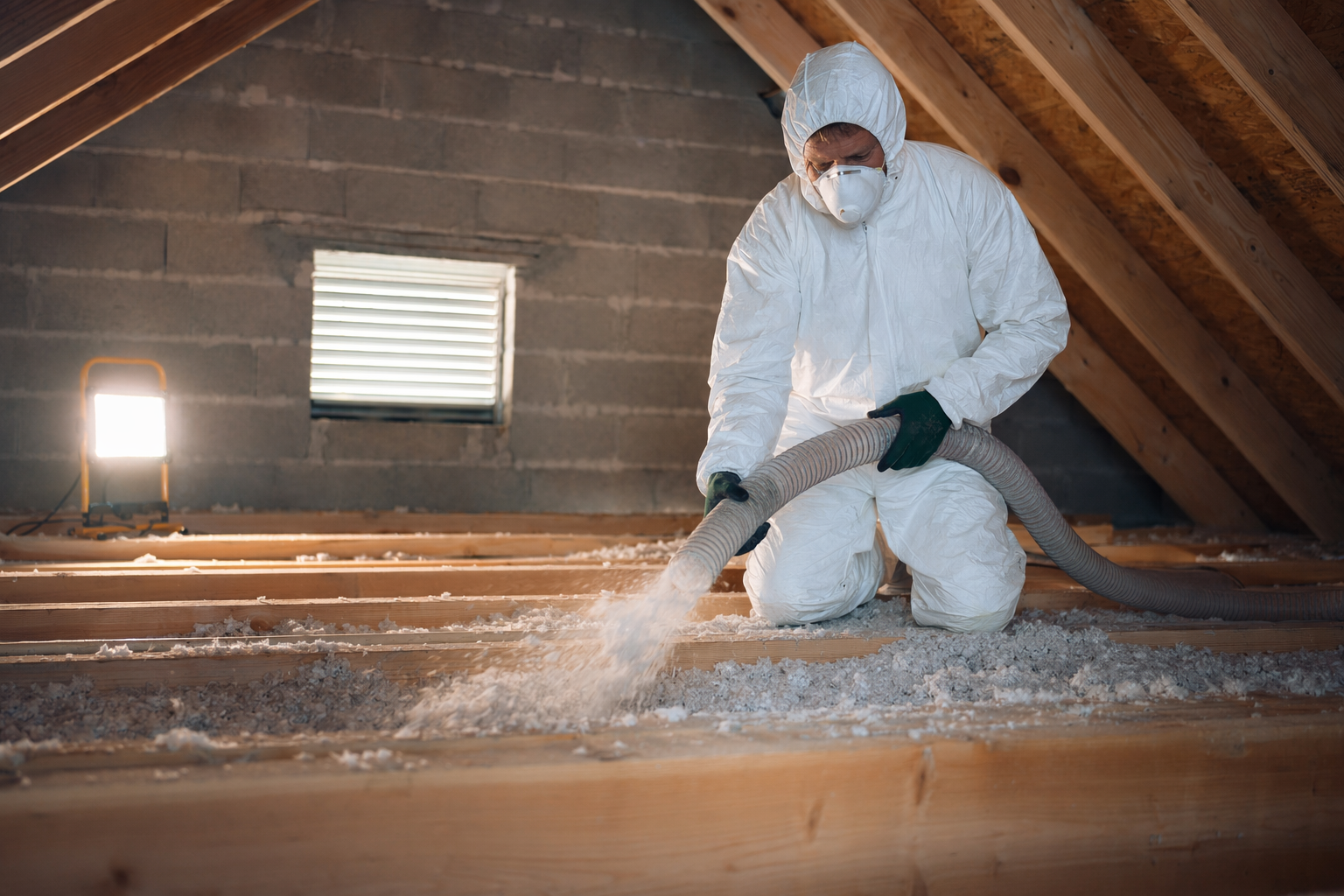
Intro
Homeowners often hear two messages at the same time: add attic insulation and improve attic ventilation. Both can matter, but they do different jobs.
Insulation slows heat flow. Ventilation helps move air through the attic in the way the roof system was designed to handle heat and moisture. If you are planning work in the attic, it helps to think about them together instead of as separate projects.
If you want to compare typical project ranges before you talk to installers, see costs.
The short answer
Yes, attic ventilation and insulation should usually be planned together. Good insulation can help comfort and energy use, but it should not block needed attic airflow. Good ventilation can help the attic handle moisture and heat, but it does not replace insulation or air sealing. In many homes, the best results come from a combination of 1) sealing attic air leaks, 2) insulating to an appropriate R-value for the climate zone, and 3) keeping ventilation paths clear if the attic design calls for them.

Details
Why they are different jobs
R-value is a simple way to describe how much insulation resists heat flow. A higher R-value means the insulation slows heat movement better. But more is not always better forever. There are diminishing returns once you get near the recommended level for your climate and attic type.
Ventilation is different. It is about how outside air moves through the attic or roof assembly, often through intake and exhaust openings when the home design uses a vented attic. Ventilation does not add R-value. Insulation does not create ventilation.
That is why homeowners can run into problems when one part is improved and the other is ignored. For example, adding insulation without protecting soffit vents can block airflow. On the other hand, relying on ventilation alone will not fix an under-insulated attic.
What can go wrong if the plan is incomplete
A few common issues show why these two systems need to work together:
- Blocked soffit vents: Insulation can slide or be blown into areas that stop intake airflow.
- Missing air sealing: Warm, moist indoor air can leak into the attic through gaps around lights, wiring, pipes, and attic hatches.
- Uneven insulation: Thin spots can reduce performance even if the attic has enough insulation in other areas.
- Moisture concerns: Stains, damp insulation, mold-like growth, or condensation may point to an airflow or air-leak problem that should be evaluated by the right licensed professional.
- Hot upper rooms or ice dams: These can be linked to a mix of insulation gaps, air leakage, and attic conditions rather than one single issue.
This is why many homeowners ask installers about air sealing before insulating and how the crew will protect ventilation channels. For more on choosing a company carefully, read how to vet an insulation installer.
What a good attic insulation plan usually includes
A solid plan often includes these steps:
- Check the current attic condition, including old insulation levels, access, and any obvious moisture or air-leak concerns.
- Identify the target R-value for the home's climate zone and attic assembly.
- Air-seal accessible gaps before new insulation is added, when appropriate.
- Keep ventilation paths open in attics that are designed to be vented.
- Confirm the material and installation method, such as blown-in fiberglass, blown-in cellulose, batts, or spray foam in the right assembly.
- Get the scope in writing, including the approximate area, material type, and the R-value the job is intended to reach.
The real price is a typical estimate, not a quote, until an installer reviews the home. Cost can depend on the area insulated, the R-value target, the material, the home's age and access, removal of old insulation, and your region. A helpful starting point is get matched if you want to compare licensed, insured local installers.
What to do next
If you are planning attic work, do not ask only, "How much more insulation should I add?" Also ask, "How will this affect ventilation and air sealing?"
When you speak with installers, ask whether the attic is vented, how they will keep vents clear if needed, what R-value they recommend for your climate, and whether the written scope includes air sealing, insulation depth, and cleanup.
Always hire licensed and insured insulation installers, and verify the license and insurance yourself. Get the full price and scope in writing before any deposit. Follow local permit and code requirements. Thermline is a free matching service that helps homeowners compare local insulation companies; we do not install insulation or perform inspections.
Insulation helps keep heat where you want it. Ventilation helps the attic handle air and moisture the right way, so both should be planned together.