Vapor Barriers and Retarders Explained
Moisture can move through a home in more than one way. That is why people talk about **vapor barriers** and **vapor retarders** during insulation projects. The terms sound technical, but the basic idea is simple: some materials slow water vapor from moving into the wrong place, where it can lead to damp insulation, mold, or wood damage.
Intro
When you plan insulation, it is easy to focus only on R-value. R-value is a simple way to describe how much a material slows heat flow. A higher R-value usually means better resistance to heat moving through that area.
But insulation is only part of the picture. Moisture control matters too. In many homes, the right vapor-control layer depends on climate, where the insulation goes, and how the assembly is built. A wrong choice can trap moisture instead of helping.
The short answer
A vapor barrier or vapor retarder is a material that slows water vapor from passing through walls, ceilings, or floors. They are not all the same. Some block vapor very strongly, while others slow it down more gently. The best option depends on your climate, the part of the house being insulated, and whether the assembly needs to dry in one direction or both. In many cases, air sealing is just as important, or more important, because moving air can carry a lot of moisture. If you are comparing options, start with costs and ask licensed, insured installers what vapor-control approach fits your local code and home design.

Details
Vapor barrier vs. vapor retarder
People often use these terms like they mean the same thing, but they do not always. In plain language, both are for slowing vapor movement. The difference is how much they slow it.
- A vapor barrier usually means a material that is very resistant to vapor flow.
- A vapor retarder is a broader term. It can mean materials that slow vapor a little, a lot, or almost completely.
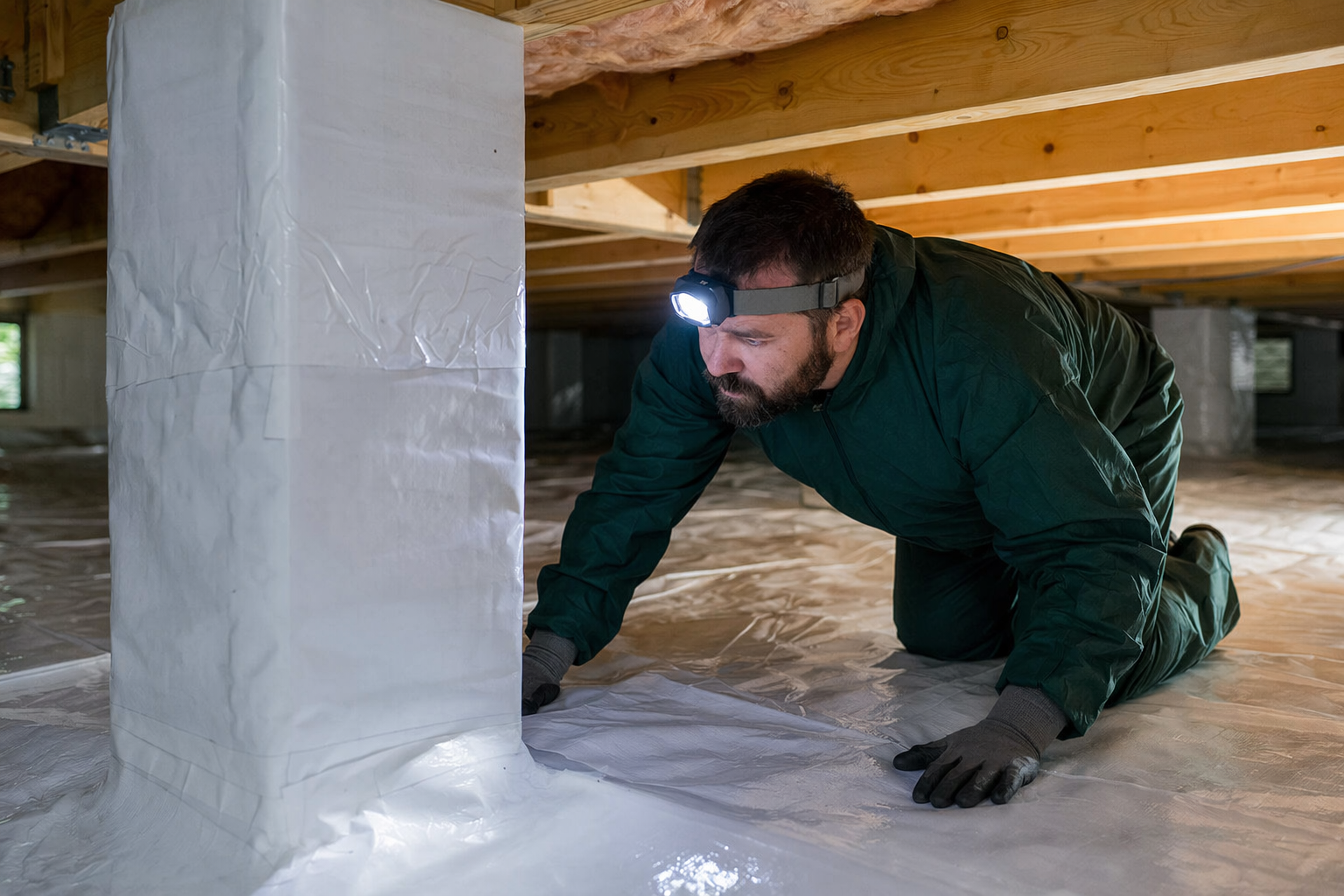
Examples can include plastic sheeting, kraft-faced insulation, certain foam products, and some specialty membranes or coatings. What matters is not the label alone. What matters is where the material goes and whether that wall, attic, crawlspace, or basement can still manage moisture safely.
Where problems happen
The main risk is not "vapor is bad." The risk is moisture getting trapped in the wrong layer.
For example, warm indoor air can carry moisture toward colder surfaces in winter. In hot, humid climates, moisture drive can work in the opposite direction during cooling season. If a home assembly cannot dry properly, you may end up with:
- damp insulation that performs worse
- mold or mildew growth
- wood rot over time
- peeling paint or musty smells
This is why there is no one-size-fits-all answer. A basement wall may need a different approach than an attic floor or an exterior wall. Local building code, climate zone, and existing materials all matter. For background on installer questions, see how to vet an insulation installer.
Why air sealing matters too
Many homeowners hear "vapor barrier" and assume that is the main moisture fix. Often, air leaks are the bigger issue. Small gaps around wiring, top plates, recessed lights, rim joists, and attic hatches can let humid air move into hidden spaces.
That is why air sealing is often paired with insulation. It helps reduce heat loss and can also reduce moisture carried by moving air. In attics especially, stopping air leaks before adding insulation can make a big difference. Thermline can help you get matched with licensed, insured installers so you can compare written scope details, including the target R-value and any air-sealing or vapor-control steps.
Always ask the installer to explain:
- whether a vapor retarder is recommended for your climate and assembly
- where it will be installed
- whether the area still has a safe drying path
- what local code requires
- how existing insulation or old materials affect the plan
What to do next
Start by identifying where the project is happening: attic, walls, crawlspace, basement, or another area. Then ask for at least a few written estimates from licensed and insured insulation installers. Make sure each estimate clearly states the insulation type, the target R-value the job will reach, any removal of old insulation, any air-sealing work, and any proposed vapor retarder or barrier.
Do not assume the cheapest option is the safest one. The real price is a typical estimate only until a local installer sees the space. Cost depends on the area insulated, the R-value target, the material, the home's age and access, removal of old insulation, and your region. Verify license and insurance yourself, and follow local permit and code requirements.
A vapor barrier or vapor retarder helps control moisture in walls, attics, floors, or basements. The right choice depends on your climate and home design, so ask licensed, insured installers to explain what your home needs and why.