Spray Foam vs Blown-In Insulation
Trying to choose between spray foam and blown-in insulation? Both can help with comfort and energy use, but they work in different ways. The best fit depends on **where the insulation is going**, your **R-value target**, your budget, and whether **air leaks** are part of the problem.
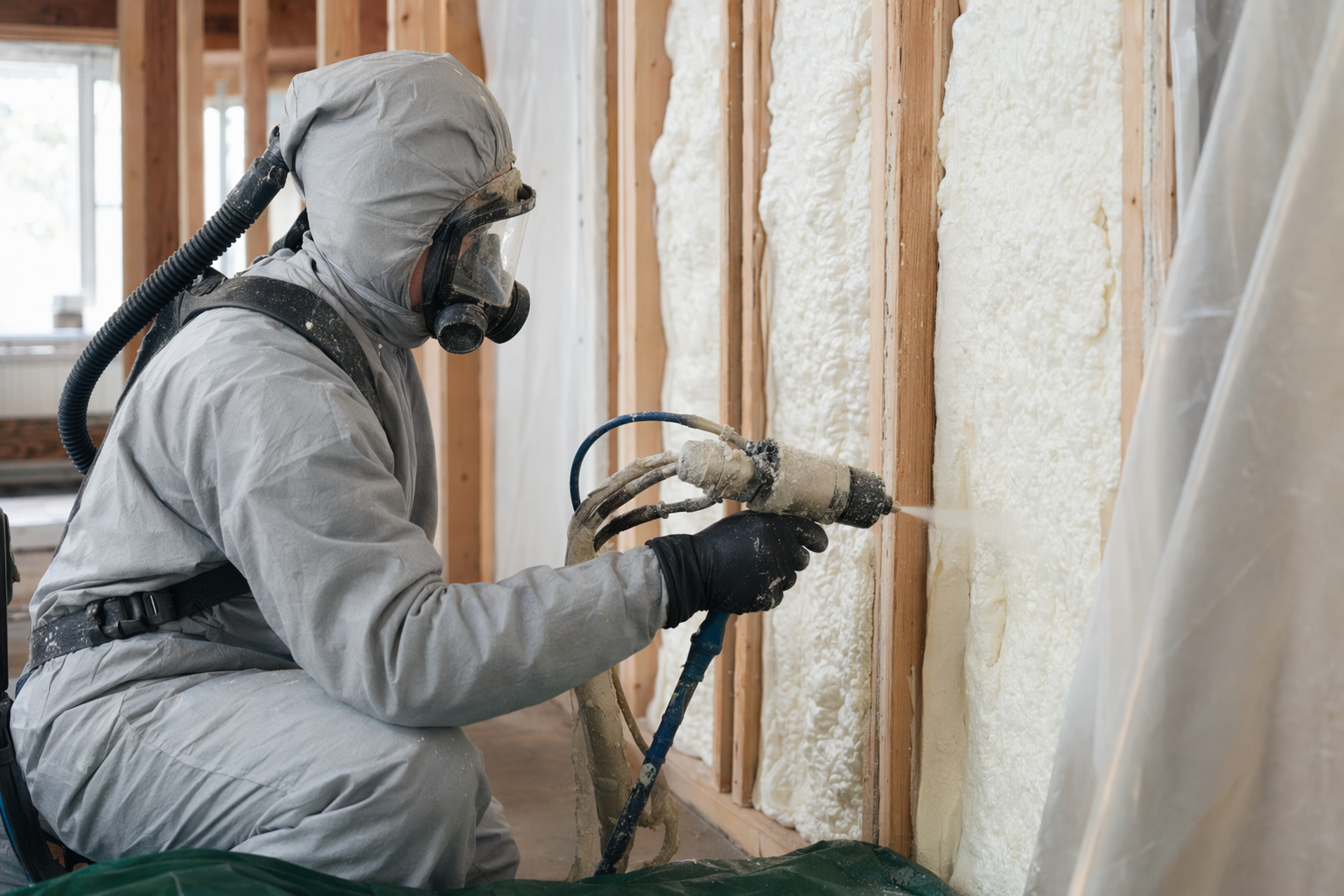
Spray Foam vs Blown-In Insulation
Homeowners often compare these two options because both are common for attics, walls, and hard-to-reach areas. But they are not the same product, and one is not automatically better in every home.
R-value is a simple way to describe how well insulation slows heat flow. Higher R-value means more resistance to heat moving in or out. But more is not always better forever. Past the recommended level for your climate zone, the extra benefit usually gets smaller.
If you are still comparing options and want local pricing, Thermline can help you get matched with licensed and insured insulation installers near you at no cost.
The short answer
Spray foam is usually better at sealing air leaks, while blown-in insulation is often more budget-friendly for adding insulation over larger areas. Spray foam can be useful where outside air is getting in through gaps and cracks. Blown-in insulation is often a practical choice when the main goal is to increase attic or wall R-value at a lower typical cost. The right choice depends on the space, the material being added, access, and the condition of the home.

How they differ
Spray foam expands after application. That helps it fill cracks, joints, and irregular spaces. Because of that, it can help with both insulation and air sealing in one step. It is commonly used in rim joists, rooflines, wall cavities, and other areas where leaks are hard to stop with loose-fill products alone.
Blown-in insulation is usually made from loose fiberglass or cellulose. It is blown into place with equipment and works well for covering open attic floors or filling enclosed wall cavities. It does not seal air leaks the same way spray foam does, so many homes benefit from air sealing first, especially in the attic. You can learn more about checking contractors in this guide: how to vet an insulation installer.
Typical cost ranges can vary a lot. Real pricing depends on the area insulated, the R-value target, the material, your home's age and access, whether old insulation must be removed, and your region. For broad estimate ranges, see insulation costs.
Best uses for each option
There is no one-size-fits-all answer. A good installer should explain why they recommend one approach for your home and what R-value the finished job is expected to reach.
- Spray foam may make more sense when: air leakage is a major issue, the space is tight or irregular, or you want insulation plus air sealing in the same area.
- Blown-in may make more sense when: you want to add insulation across a larger attic floor, you already have a fairly standard open attic, or cost is a major concern.
- Sometimes the best plan is a combination: for example, sealing key leaks first and then adding blown-in insulation over the attic floor.
Not every home needs the same solution. Climate, moisture conditions, ventilation, and the location being insulated all matter.
What to watch for before you choose
Ask each installer to explain the scope in writing. That should include the area being insulated, the material, the target R-value, and whether any air sealing is included.
Also ask whether permits or code requirements apply in your area. Requirements can vary by location, so follow local rules.
Most important, hire licensed and insured installers and verify the license and insurance yourself before paying a deposit. If you want help finding companies to compare, you can get matched through Thermline for free.
What to do next
- Decide where the problem is: attic, walls, crawlspace, basement, or a specific cold or hot room.
- Ask at least two or three licensed and insured installers for written estimates.
- Compare the material, R-value, and whether air sealing is included.
- Ask why they recommend spray foam, blown-in insulation, or a mix of both.
- Review timing, cleanup, old insulation removal if needed, and permit responsibilities before any deposit.
If you want a simpler way to start, Thermline can help connect you with local installers for your project through free matching.
Spray foam is better at stopping air leaks. Blown-in insulation is often a lower-cost way to add more insulation over larger areas.