Using Insulation for Soundproofing
Insulation can help make a home quieter, but it is not a complete soundproofing system by itself. The best result depends on **where the noise is coming from**, what part of the home you want to quiet, and which insulation material is being added during your project.
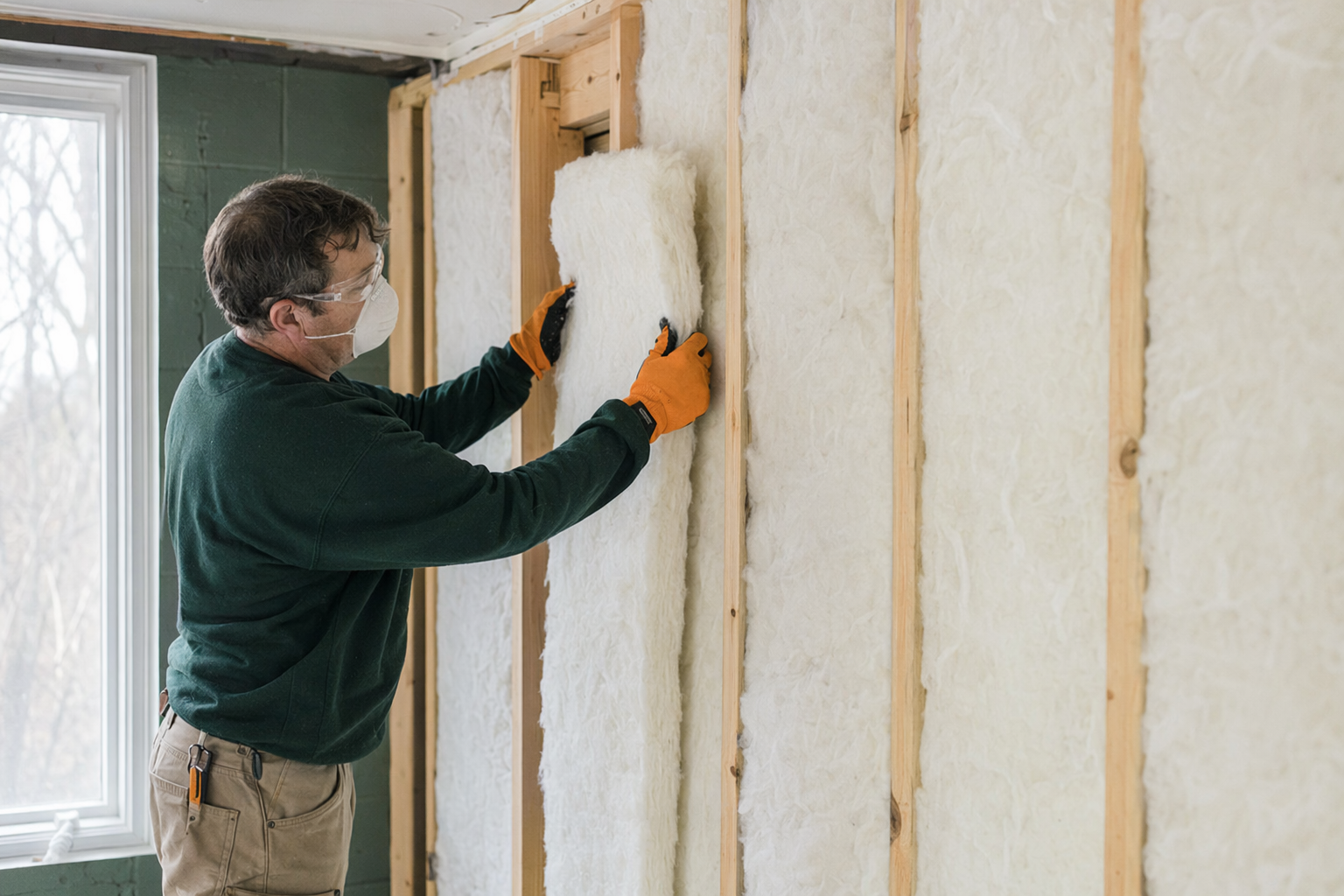
A simple way to think about sound and insulation
Many homeowners ask if insulation will block noise between rooms, from outside traffic, or from a garage or basement. The honest answer is: it can help, but its job is usually to reduce sound, not erase it.
Insulation works best for sound when it fills empty spaces inside walls, floors, or ceilings. That added material can reduce how much airborne sound moves through the cavity. Examples include voices, TV noise, barking, or some street noise.
If you are planning an insulation project anyway, it makes sense to ask whether the material and location can also improve noise control. Thermline can help you get matched with licensed, insured insulation installers near you at no cost.
The short answer
Yes, insulation can help with soundproofing, especially for airborne noise, but it usually does not fully soundproof a room. Fiberglass batts, mineral-fiber-style sound batts, blown-in products, and some spray foam applications may reduce noise when installed in walls, floors, or ceilings. The final result depends on the assembly, not just the insulation: drywall layers, gaps, air leaks, doors, windows, and framing paths all matter. If your main goal is noise control, tell the installer that early so the scope and expected R-value are clear in writing.

How insulation helps with noise
Sound moves in different ways. A basic, helpful split is:
- Airborne sound: talking, music, TV, traffic, dogs.
- Impact or vibration sound: footsteps, slamming doors, items dropped on a floor.
Insulation is usually more helpful for airborne sound than for impact noise. When a wall or floor cavity is empty, sound can travel more easily through that space. Filling it with insulation can reduce that movement.
This does not mean more insulation is always better. For energy performance, insulation is measured by R-value, which means how strongly a material slows heat flow. A higher R-value slows heat better, but sound control does not improve in a simple one-to-one way with R-value. Past the recommended level for your climate zone, there can be diminishing returns for energy savings, and sound results still depend on the whole wall or ceiling system.
If you want to compare materials for energy and comfort, see costs and related guides before choosing a project scope.
Where insulation can make the biggest difference
Some areas are more likely to help with noise than others.
- Interior walls: Good for reducing voices, TV, and bathroom or laundry noise between rooms.
- Floors and ceilings: Can help between stories, especially for airborne noise.
- Garage shared walls or bonus-room floors: Often worth asking about if sound transfers into living space.
- Exterior walls and attics: May help a little with outside noise, but windows, doors, and air leaks often limit the result.
Air sealing can also matter. Small gaps around wiring, plumbing, top plates, and penetrations can let both air and sound move through the house. A project that combines insulation with careful air sealing may improve comfort and reduce some noise at the same time.
Still, insulation alone will usually not solve every noise problem. If sound is traveling through doors, ductwork, recessed lights, or thin windows, those paths may need attention too.
Which materials are commonly used
Homeowners often ask which insulation is "best" for sound. In many cases, the answer depends on the location, budget, and whether the wall or ceiling is already open.
Common options include:
- Fiberglass batts: A common choice for open wall cavities. Often used when walls are being finished or renovated.
- Blown-in insulation: Sometimes used in enclosed areas or attic spaces, depending on the project.
- Spray foam: Can air-seal well, but it is not automatically the best choice for every sound problem.
Ask installers to explain what noise problem they expect the insulation to help with and what it likely will not fix. It is also smart to ask whether the job includes air sealing, removal of old insulation if needed, cleanup, and the final R-value target.
Before you hire anyone, read how to vet an installer. Always hire licensed and insured installers, verify that yourself, and get the scope, materials, and expected R-value in writing before any deposit. Follow local permit and code requirements.
What to do next
Start by identifying the main problem:
- Is the noise coming from outside, another room, above/below, or a garage/basement?
- Is it mostly voices and TV, or footsteps and vibration?
- Are you already planning an insulation project for comfort or energy savings?
Then ask for a few written estimates. Real pricing is a typical range, not a guaranteed quote, and the final cost depends on the area insulated, material, R-value target, home age, access, removal of old insulation, and your region.
If you want help finding local companies, Thermline offers free matching with licensed, insured insulation installers. You can get matched and compare options with no obligation.
Insulation can help reduce noise, but it usually does not fully soundproof a room. The best choice depends on where the noise is coming from and how the wall, floor, or ceiling is built.