Signs you need more insulation
Some insulation problems are easy to feel, even if you cannot see them. A room that is always colder, summer heat that will not leave, higher energy bills, or drafts near walls and ceilings can all be signs your home is under-insulated. This guide explains the most common warning signs, what they usually mean, and how to move forward carefully.
Why insulation problems show up in daily life
Insulation helps slow heat flow. In simple terms, R-value tells you how well insulation resists heat moving through a space. A higher R-value resists heat better, but that does not mean the highest possible number is always best. The right target depends on your climate zone, where the insulation goes, and local code.
When a home does not have enough insulation, or when insulation is missing, compressed, wet, or poorly installed, you may notice comfort problems first. Many homeowners blame the heater or air conditioner. Sometimes the equipment is part of the issue, but the building shell matters too.
Attics are a common trouble spot. So are walls, crawlspaces, basements, and rim joists. Air leaks can also make insulation seem less effective, which is why insulation and air sealing are often discussed together. If you want a rough idea of typical price ranges before you talk to installers, see costs.
Key signs you may need more insulation
No single symptom proves your home needs more insulation. But when several signs happen together, it is worth taking a closer look.
Older homes often have less insulation than current recommendations. Even in newer homes, some areas may have been skipped, settled, or left with gaps around access hatches, pipes, wiring, and framing details.

What to do if these signs sound familiar
You do not need to guess. A careful step-by-step approach can help you compare options and avoid paying for the wrong work.
1. Write down the symptoms. Note which rooms are uncomfortable, when the problem is worst, and whether it happens in winter, summer, or both. This helps installers understand the pattern.
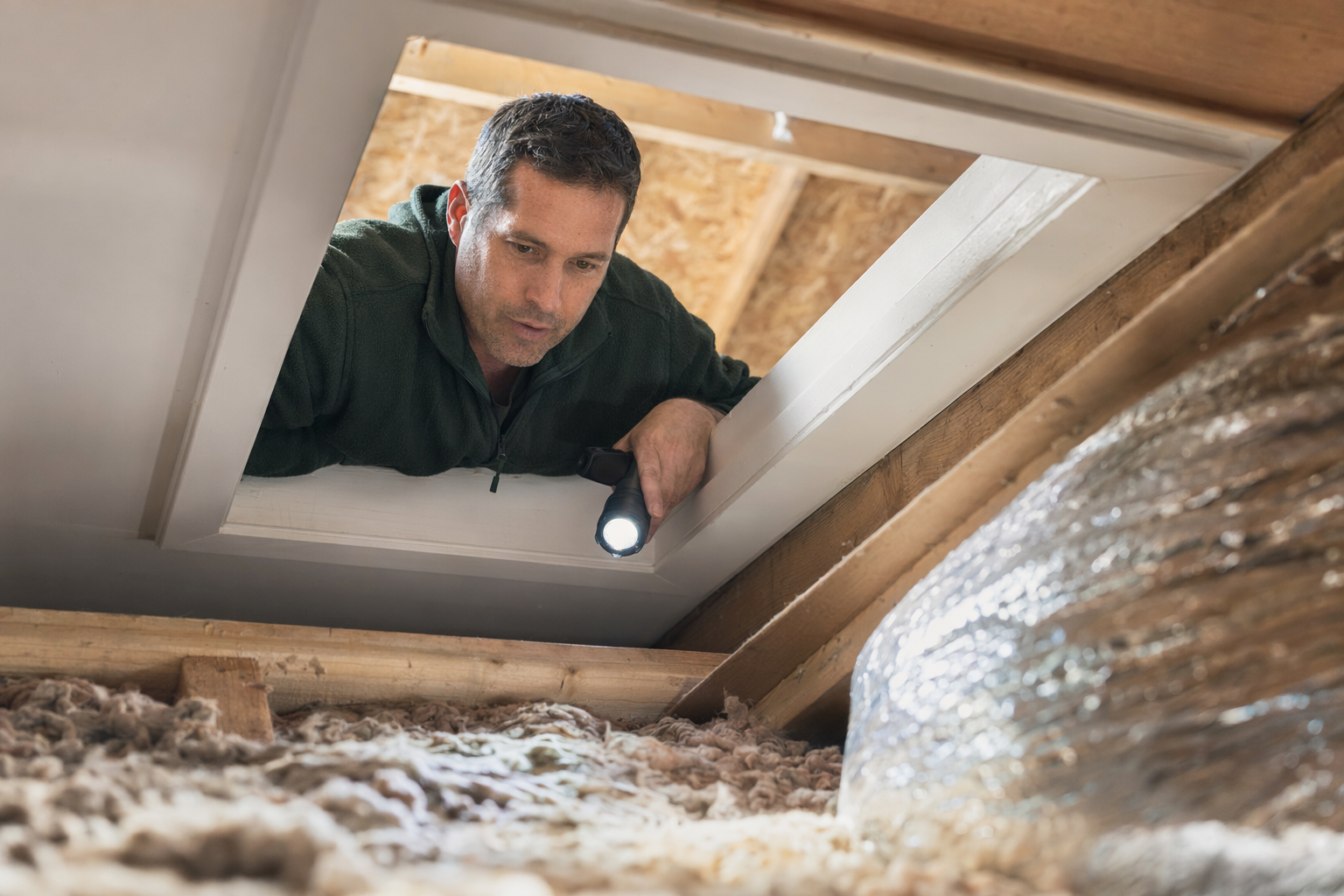
2. Do a simple visual check if it is safe. In an unfinished attic, you may be able to see whether insulation depth looks low or uneven. Do not disturb old insulation if you are not sure what it contains, and do not walk outside safe framing areas.
3. Think about air leaks too. Insulation works best when major leaks are addressed. Attic hatches, plumbing penetrations, wiring holes, and duct openings can all matter.
4. Ask licensed and insured installers to assess the space. Verify the license and insurance yourself. Get the scope of work in writing before any deposit, including the area to be insulated, the material, and the R-value the job is expected to reach.
5. Compare more than price. A low number is not always the best value. Compare the material, prep work, air sealing details, removal of old insulation if needed, cleanup, and whether permits or code steps may apply. This guide on how to vet an insulation installer can help.
6. Ask about typical cost ranges, not promises. Real pricing depends on the area insulated, your target R-value, the material used, your home's age and access, whether old insulation must be removed, and your region.
7. Check for rebates or tax-credit options carefully. These programs can change and vary by utility, state, and program rules. Confirm current details directly with the utility, program administrator, or a tax professional before you count on savings.
If you want help connecting with local pros, you can get matched with licensed and insured insulation installers near you through Thermline's free service.
Common mistakes to avoid
Many insulation projects go wrong because the homeowner moves too fast or focuses only on one detail. Watch out for these common mistakes:
Next step: turn the warning signs into a clear plan
If your home has several of the signs above, the next step is not to guess at a product. The best next step is to document the problem areas, learn the basic terms, and speak with licensed and insured installers who can explain the scope clearly.
Ask each installer what areas they recommend insulating, what R-value they plan to achieve, whether air sealing is included, and what preparation is needed. Then compare written estimates side by side.
Thermline is a free matching service for homeowners. We help you connect with local licensed and insured insulation installers so you can compare options with less stress. You can start with get matched, and review typical pricing on costs before you decide.
If your home feels drafty, has hot or cold rooms, or your energy bills seem too high, you may need more insulation. Talk to licensed and insured installers, compare written estimates, and make sure the estimate says what R-value the job will reach.