Removing Old or Contaminated Insulation Safely
Old insulation is not always a problem. But if it is wet, moldy, pest-damaged, or badly compacted, removal may be part of the plan before new insulation goes in. This guide explains when removal may make sense, what affects cost and scope, and how to hire the right licensed and insured installer.
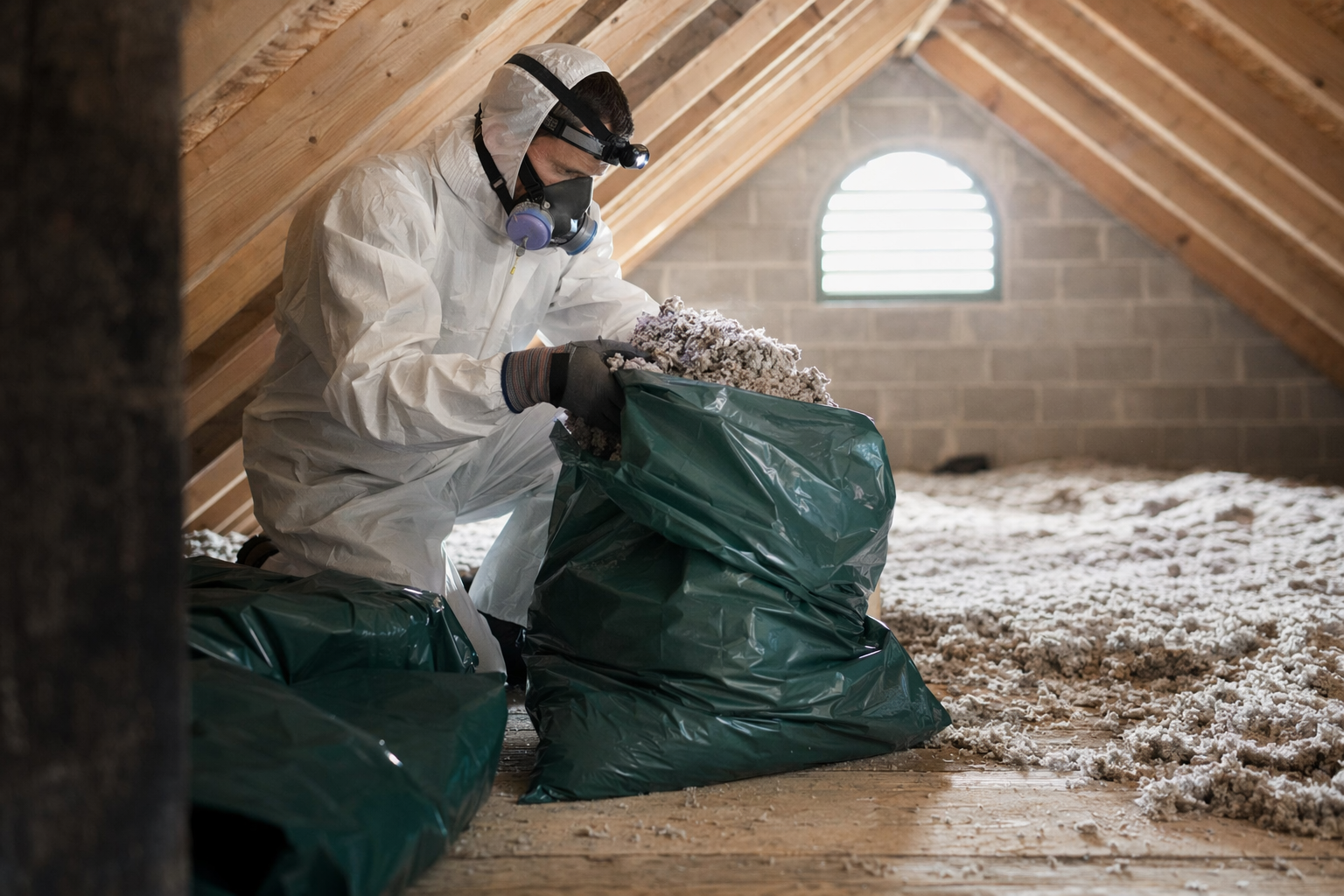
When old insulation should be looked at more closely
If your attic, walls, crawlspace, or basement already has insulation, you may not need to remove it just because it is old. In many homes, existing insulation can stay in place and new insulation can be added over or around it.
The bigger concern is condition, not age alone. Old insulation may need closer attention if it has signs of moisture, mold, pests, strong odors, or heavy dirt and debris. Insulation that is flattened or missing in large areas may also not perform well.
If you are comparing project options, cost guides can help you understand typical price ranges. But the real price depends on the area insulated, the R-value target, the material, your home's age and access, whether old insulation must be removed, and your region.
The short answer
Sometimes old insulation can stay, and sometimes it should be removed first. Removal is often considered when the insulation is contaminated, wet, moldy, pest-damaged, or in poor enough condition that it could affect the new job. The best path depends on what type of insulation is there now, where it is located, and whether the space also needs air sealing or moisture-related fixes. Thermline is a free matching service, so we can help you connect with licensed and insured installers near you for written estimates and scope details through get matched.

How to tell if removal may be worth discussing
You do not need to diagnose the problem yourself. But it helps to know the common warning signs before you ask for estimates.
Moisture is a major red flag. If insulation has been soaked by a roof leak, plumbing leak, or repeated condensation, it may lose performance and may need to be removed from affected areas. Moisture issues should be addressed before new insulation goes in.
Pest activity matters too. Droppings, nesting material, strong odors, or torn-up insulation can change the scope of the job. In some cases, part or all of the affected insulation may need to come out.
Air leaks can make insulation look worse than it is. In attics especially, dusty or uneven insulation may be a sign that outside air is moving through the space. That is why many homeowners ask about air sealing along with insulation.
R-value means how well insulation slows heat flow. A higher R-value means more resistance to heat moving in or out. But more is not always better forever. Past the recommended level for your climate zone, the benefit usually starts to level off. A written estimate should say the R-value the job is expected to reach.
What affects removal cost and job scope
Removal can add time, labor, cleanup, and disposal work. That is why projects with old or contaminated insulation often cost more than a simple top-up job.
Typical estimates depend on several things:
- Where the insulation is located. Attics, walls, crawlspaces, and basements all have different access challenges.
- What material is being removed. Loose-fill, batts, and foam are handled differently.
- How much area is involved. Spot removal costs less than full removal in many cases.
- How contaminated it is. Moisture, pests, odors, and debris can change labor and cleanup needs.
- Whether new insulation and air sealing are included. Many homeowners bundle the work.
Ask each installer to spell out the scope in writing. It should say what will be removed, what will stay, what cleanup is included, what new insulation will be installed, and the target R-value. Our guide on how to vet an insulation installer can help you compare companies clearly.
What to do next
Start by making a short list of the problem areas you have noticed. For example: wet attic insulation near a vent pipe, rodent activity in the crawlspace, or a musty smell in one corner of the basement.
Then get written estimates from licensed and insured insulation installers. Verify the license and insurance yourself. Ask whether the old insulation can stay, whether partial removal is possible, what prep and cleanup are included, and whether local permits or code rules apply.
If you want help finding companies to contact, Thermline can connect you with local installers at no cost. You can also read more about removal basics in related guides before deciding.
Old insulation does not always need to be removed. If it is wet, dirty, moldy, or damaged by pests, ask licensed and insured installers to explain in writing whether removal is needed before new insulation is added.