How R-Value Affects Comfort, Not Just Bills
R-value matters because it affects how your home **feels**, not only what you pay each month. The right insulation level can help rooms stay more even, reduce cold or hot spots, and make your house feel less drafty.
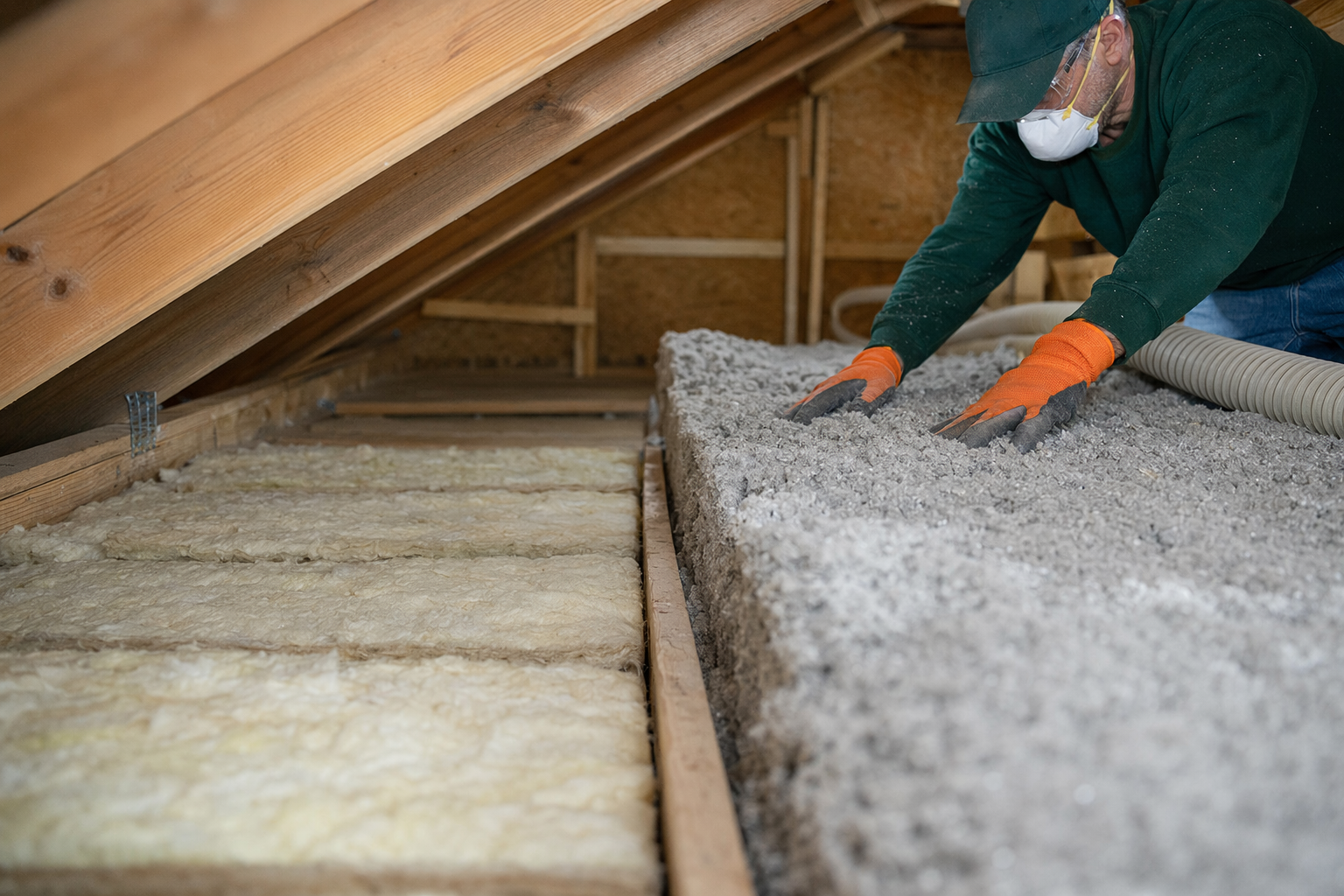
Intro
Many homeowners first hear about R-value when they ask about energy bills. But comfort is often the bigger day-to-day issue.
If one bedroom is always colder, the upstairs gets too hot, or the floors feel chilly in winter, insulation may be part of the reason. R-value is a simple way to describe how much insulation slows heat flow. Higher R-value means better resistance to heat moving in or out.
That does not mean the highest possible number is always the best choice. Every home has a practical target based on climate, location in the house, and the type of insulation. You can learn more in this guide to R-value explained.
The short answer
R-value affects comfort because it helps your home resist outdoor temperatures. When the insulation level is too low for your climate or for a specific area, heat moves too easily through the attic, walls, floors, or crawlspace. That can make rooms feel uneven, create cold walls or hot ceilings, and force your heating or cooling system to work harder. A proper R-value target can improve comfort and energy use, but results also depend on air leaks, moisture conditions, duct issues, and installation quality.

How R-value changes what you feel inside
Insulation does not create heat or cold. It slows down heat transfer.
In winter, a better-matched R-value helps indoor heat stay inside longer. In summer, it helps outdoor heat stay outside longer. That slower heat movement can make a room feel more stable during the day and night.
Comfort problems often show up as:
- A room above the garage that is always harder to heat or cool
- A finished attic that gets too hot in summer
- Cold ceilings, walls, or floors near uninsulated areas
- Bigger temperature differences between upstairs and downstairs
People notice these comfort changes because surfaces matter. Even if the thermostat says the house is 70°F, a cold ceiling or wall can still make the room feel uncomfortable.
If you are planning a project, cost guides can help you compare typical insulation options before you ask for estimates.
Why higher R-value is not always the whole answer
A higher R-value can help, but it is not a magic fix.
First, there are diminishing returns. Once you reach the recommended range for your climate zone and the part of the home being insulated, adding much more may bring smaller comfort gains.
Second, insulation works best when other issues are handled too. Common examples include attic air leaks, gaps around can lights or plumbing penetrations, disconnected ducts, or moisture problems in a crawlspace or basement. If those problems remain, a home may still feel drafty or uneven even after more insulation is added.
Third, installation quality matters. Insulation that is compressed, missing in spots, or unevenly installed may not perform the way the labeled R-value suggests. The written scope should say where insulation will be added, what material will be used, and what R-value the job is expected to reach.
For attics especially, air sealing is often an important partner to insulation. Thermline can help you explore options and get matched with licensed and insured insulation installers near you.
What to do next
Start by thinking about the comfort problem you want to improve. Is it one room, the whole upstairs, cold floors, or summer heat in the attic area? That helps narrow down where insulation may be missing or underperforming.
Then get written estimates from licensed and insured installers. Ask each company to explain:
1. Which areas they recommend insulating
2. What R-value they recommend for each area
3. Whether air sealing is included
4. Whether old insulation removal is needed
5. What permits or code requirements may apply in your area
Be sure to verify the installer's license and insurance yourself and compare the full scope, not just the price. This guide on how to vet an insulation installer can help you ask better questions.
Thermline is a free matching service. We help homeowners compare local installer options, but the installer should inspect the project, confirm the scope, and provide the actual estimate.
R-value tells you how well insulation slows heat from moving through your home. The right R-value can make rooms feel more even and comfortable, not just lower energy use.