Insulation, Moisture, and Mold — What to Know
Moisture and mold can affect an insulation project, but insulation itself is not always the root problem. The key is to understand where water or humid air is getting in, fix that problem first when needed, and make sure the insulation plan fits the space and your climate.
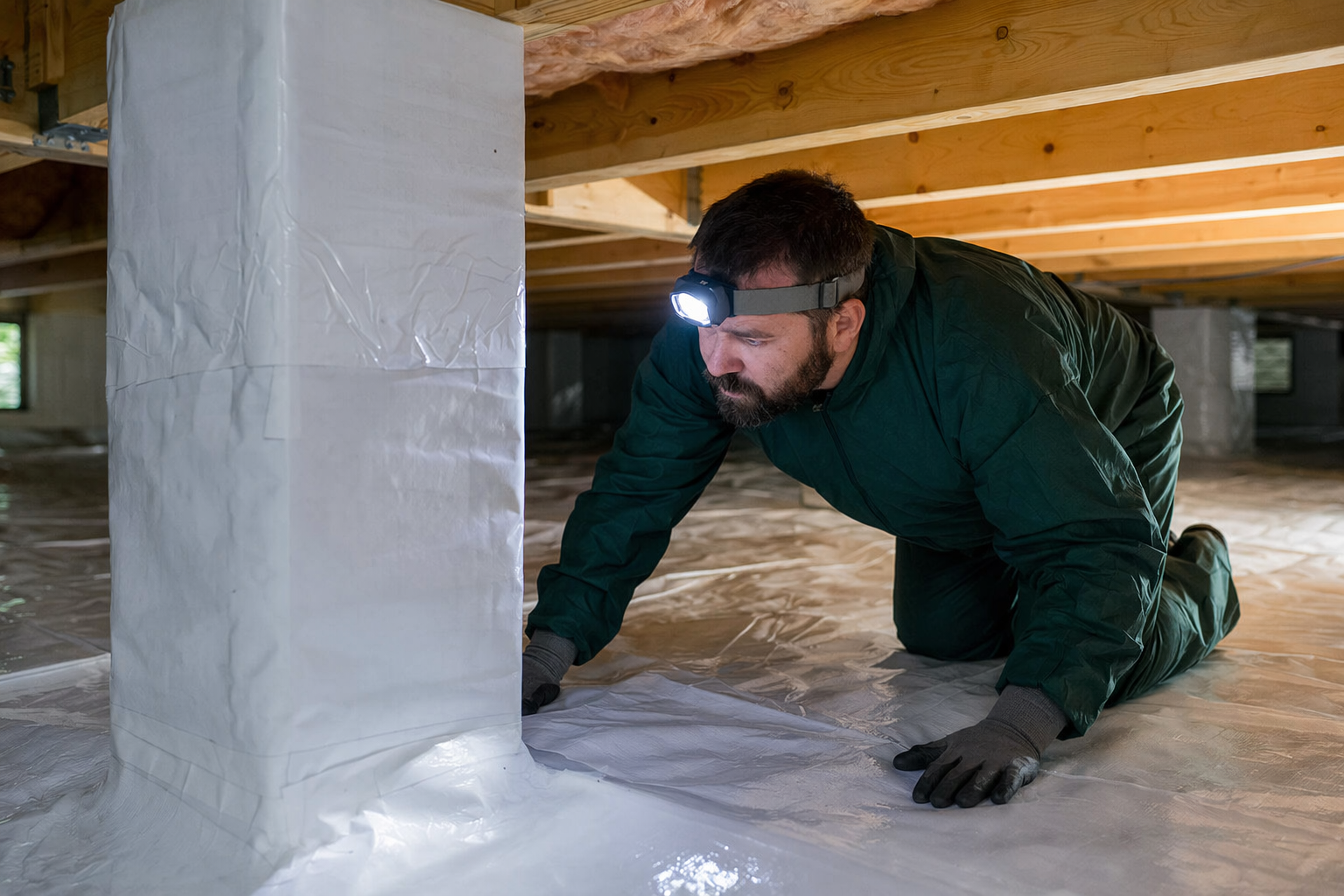
Why moisture and mold matter before you insulate
If a home has moisture problems, adding insulation without a good plan can sometimes hide the symptoms instead of solving the cause. Wet insulation usually does not work as well as dry insulation, and ongoing dampness can lead to musty smells, staining, wood damage, or mold growth.
That does not mean insulation is bad for a house. In many homes, the right combination of insulation, air sealing, and ventilation can help reduce condensation and improve comfort. The important part is understanding what is happening first.
If you are comparing options, costs and installer scope should be reviewed together. The cheapest option is not always the best value if moisture issues are missed.
The short answer
Yes, insulation, moisture, and mold are connected — but the relationship is not simple. Insulation does not automatically cause mold, and more insulation is not always better. Problems usually happen when water leaks, humid indoor air moves into cold spaces, old wet materials are left in place, or the wrong insulation approach is used for that area. A good plan starts with finding the moisture source, deciding whether damaged material needs to be removed, and making sure the job reaches the right R-value for your climate and space. R-value means how well insulation slows heat flow; higher numbers resist heat better, but there are diminishing returns once you reach the recommended range.

How moisture problems start
There are a few common ways moisture shows up around insulation:
- Roof or plumbing leaks. Liquid water can soak insulation and surrounding materials.
- Air leaks. Warm, humid indoor air can move into attics, walls, or crawlspaces and condense on cooler surfaces.
- Ground moisture. Crawlspaces and basements can stay damp if outside moisture is entering.
- Poor ventilation. Some spaces trap humidity, which can raise the risk of condensation.
In many homes, the issue is not just insulation thickness. It is the combination of insulation, air movement, moisture entry, and ventilation. That is why homeowners often ask about air sealing at the same time as insulation.
When insulation may need special attention
If insulation is wet, moldy, compressed, or contaminated, it may need to be evaluated for removal and replacement. If the material is dry and in decent condition, some homes can add insulation over existing material, depending on the type and condition.
Attics, crawlspaces, basements, and exterior walls each behave differently. For example, an attic may need air-sealing details before more insulation is added. A crawlspace may involve moisture control steps before insulating. Wall cavities may need a careful approach so trapped moisture does not become a bigger problem.
This is also where installer quality matters. Ask each company to explain:
- What moisture signs they see
- Whether they recommend fixing leaks or dampness first
- Whether any old insulation should be removed
- What R-value the finished job is expected to reach
- Whether permits or code requirements apply in your area
You can use this guide on how to vet an insulation installer before hiring anyone.
What good next steps look like
Start with the problem you can observe. That might be a damp smell, stained ceiling, cold room, wet crawlspace, or visible mold. If there is an active leak or obvious water entry, that usually needs attention before insulation work moves forward.
Then get written estimates from licensed and insured insulation installers. Ask them to describe the material, area to be insulated, target R-value, any prep work, and whether old insulation removal is included. Verify license and insurance yourself, and follow local permit and code requirements.
Remember that project cost is a typical estimate range, not a guaranteed quote. Real pricing depends on the area insulated, the R-value target, the material, access, the age of the home, whether old insulation must be removed, and your region.
If you want help comparing local companies, Thermline offers free installer matching for homeowners. You can also read more about warning signs in our guide to insulation and moisture problems.
Mold usually needs moisture, not just insulation. Before adding insulation, make sure any leaks, dampness, or air leaks are properly addressed and get the job scope and target R-value in writing from licensed and insured installers.