How Long Does Home Insulation Last?
Insulation can last a long time, but it does not last forever in every home. The real answer depends on the material, where it is installed, and whether moisture, pests, air leaks, or damage have reduced how well it works.
Why this question matters
Good insulation helps your home stay more comfortable and can reduce heating and cooling waste. But age alone does not tell the whole story. Some insulation is still doing its job after many years. Other insulation needs repair, topping up, or replacement sooner because it got wet, shifted, settled, or was installed poorly.
If you are planning a project, it helps to think about condition, coverage, and R-value, not just the year the insulation was installed. R-value is a simple way to measure how much the insulation slows heat flow. Higher R-value means more resistance to heat moving through, up to the recommended level for your climate and assembly.
The short answer
Many types of home insulation can last decades when they stay dry, in place, and undisturbed. But insulation may need attention sooner if it has settled, been compressed, gotten wet, been damaged by pests, or never reached the right R-value in the first place. In many homes, the best next step is not automatic full replacement. It may be adding more insulation, fixing air leaks first, or replacing only damaged areas.

What affects how long insulation lasts?
Material type matters. Fiberglass batts, blown-in fiberglass, blown-in cellulose, and spray foam can all last a long time under the right conditions. But they age differently. Loose-fill materials can settle over time. Batts can slump or get pulled out of place. Spray foam usually does not settle much, but it can still have problems if it was installed incorrectly or if there are moisture issues.
Location matters too. Attics often see the most temperature swing, dust, and airflow. Crawlspaces and basements are more likely to have moisture problems. Walls are usually protected, but hidden problems can still happen if there are leaks.
Moisture is one of the biggest warning signs. Wet insulation usually works worse. It can also point to roof leaks, plumbing leaks, condensation, or ventilation problems. If insulation is moldy, soaked, or repeatedly getting wet, the underlying moisture issue should be addressed before new insulation is added.
For a closer look at materials and lifespan tradeoffs, you can compare options in costs and insulation choices.
Signs your insulation may need repair, more coverage, or replacement
Age matters less than performance. Look for signs that the insulation is no longer doing the job well.
Replace it, add to it, or leave it alone?
In many cases, insulation does not need full removal just because it is old. If the material is dry, reasonably clean, and still in decent shape, a licensed and insured installer may recommend air-sealing first and then adding more insulation to reach an appropriate target R-value.
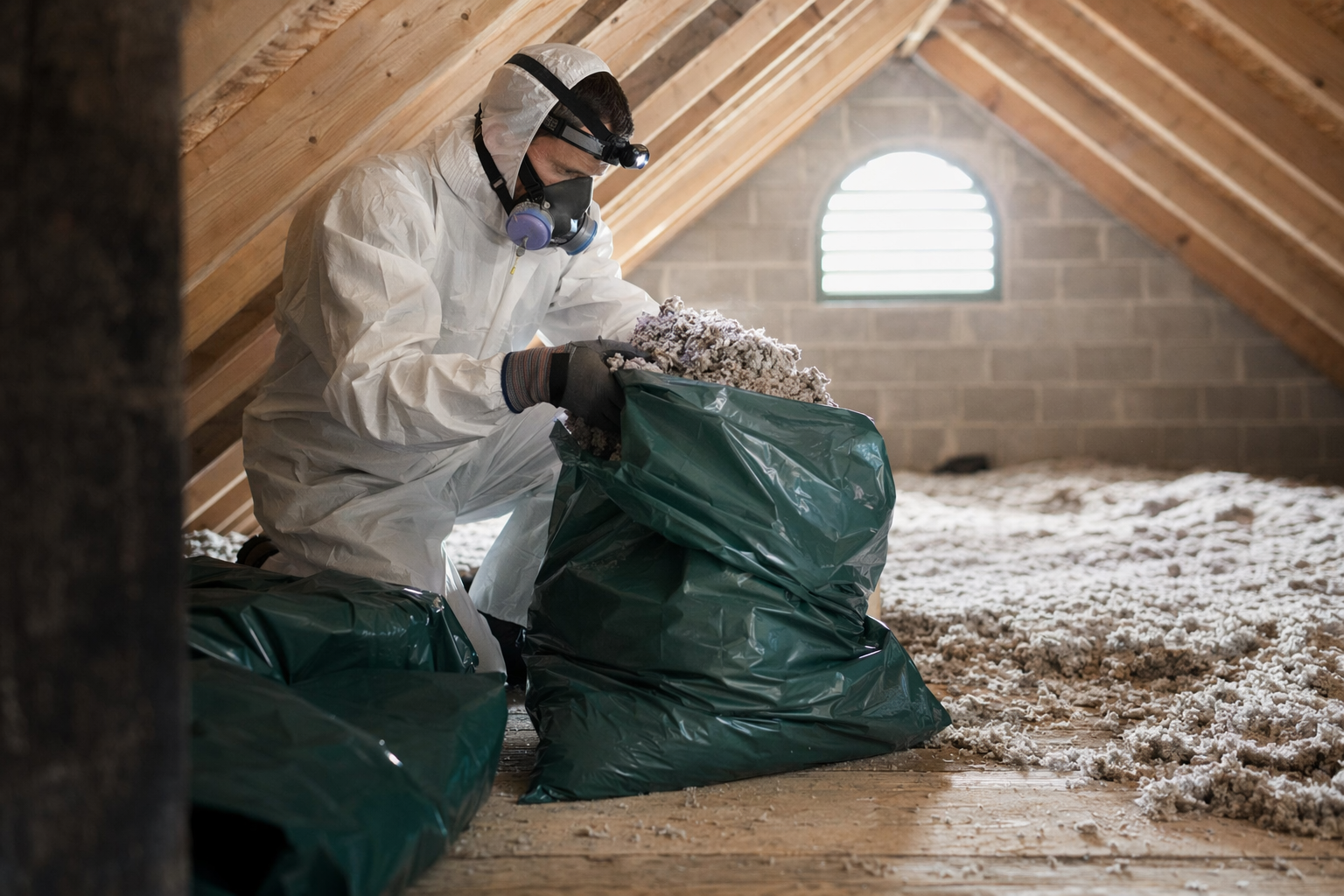
If the insulation is contaminated, soaked, badly compressed, pest-damaged, or covering a serious moisture issue, partial or full removal may make more sense. The right approach depends on the area insulated, the current condition, access, and local code.
Typical project cost ranges are estimates, not quotes. Real price depends on the area insulated, the R-value target, the material, your home's age and access, whether old insulation must be removed, and your region. You can start with insulation cost guides if you want ballpark numbers.
What to do next
- Check the problem area. Is it the attic, walls, crawlspace, basement, or several places?
- Look for obvious warning signs like moisture stains, pest activity, gaps, or uneven coverage.
- Ask each installer what R-value the job is expected to reach, what prep work is included, and whether old insulation should stay or be removed.
- Hire licensed and insured insulation installers, and verify the license and insurance yourself.
- Get the scope, materials, and price in writing before any deposit. Follow local permit and code rules.
If you want help finding local companies, Thermline can help you get matched with licensed and insured insulation installers near you. Before you choose one, use this guide on how to vet an insulation installer.
Insulation can last for many years, but water, pests, air leaks, and damage can make it work worse sooner. Old insulation does not always need full replacement; sometimes adding more or fixing problem areas is enough.