How insulation gets installed
Insulation jobs usually follow the same basic path: look at the space, fix air leaks, choose the right material and R-value, install it carefully, and do a final check. Knowing the steps can help you compare estimates, ask better questions, and avoid paying for a job that sounds good on paper but is weak in real life.
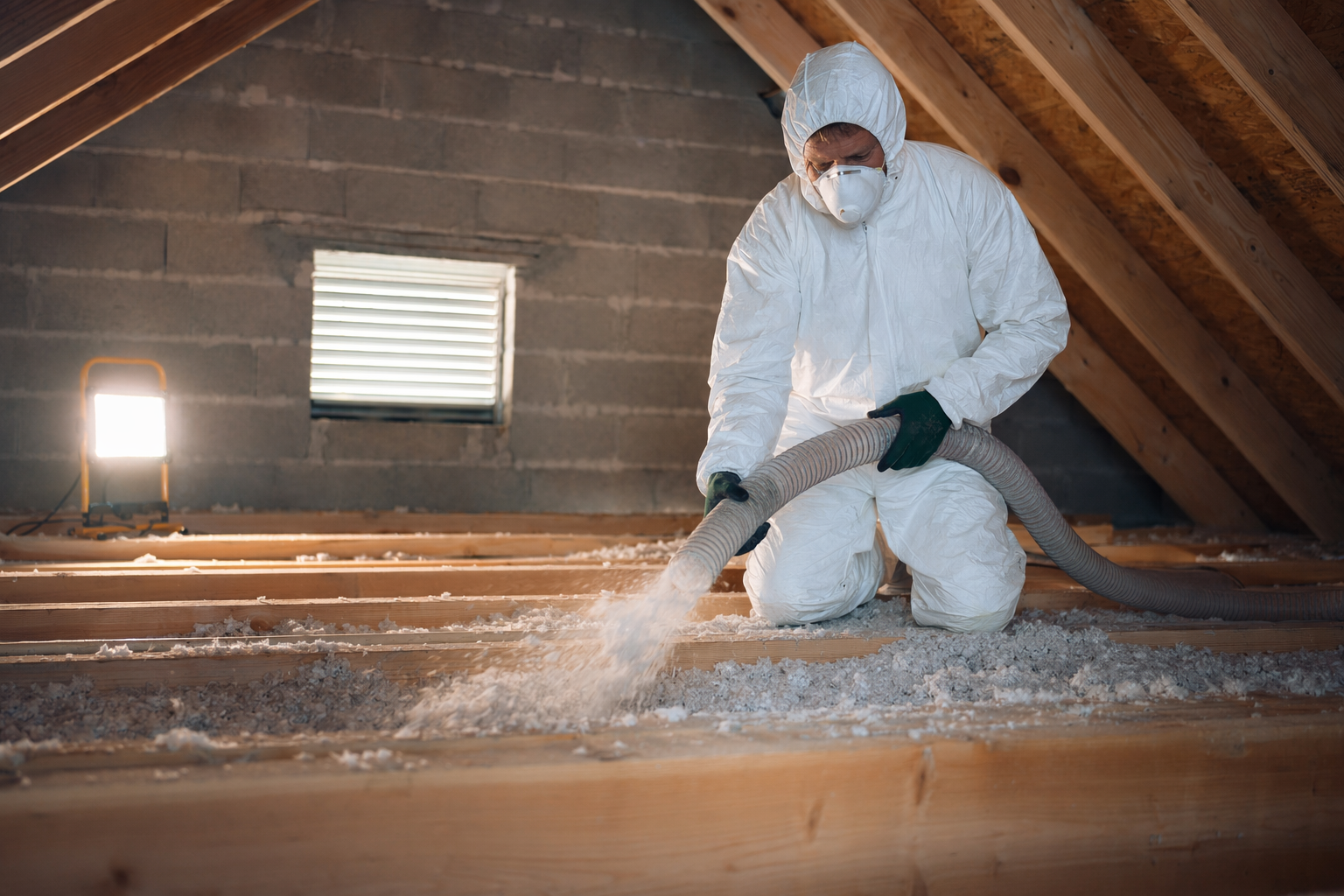
A realistic look at how insulation is installed
Most insulation projects are not just about adding material. A solid job usually starts with the area being reviewed, then basic prep work, then air-sealing or moisture-related fixes if needed, then the insulation itself, and finally a cleanup and check.
The exact steps depend on the part of the home. An attic job may involve sealing gaps around pipes, wiring, and top plates before adding blown-in insulation. A wall job may involve small access holes for dense-packed material. A crawlspace or basement job may involve moisture concerns, rim joists, or exposed surfaces that need a different approach. Spray foam jobs have their own setup and safety steps.
R-value is the measure of how much the insulation slows heat flow. In plain English, a higher R-value means better resistance to heat moving in or out. But more is not always better forever. There are diminishing returns after the recommended level for your climate zone and home setup. The target should be reasonable for your area, your budget, and the space being insulated.
If you want a price baseline before talking to installers, see insulation costs. If you are still comparing companies, this guide on how to vet an insulation installer can help.
Key points to understand before the job starts
A good installation is usually a process, not a single quick step. The main goal is to reduce heat loss and heat gain while avoiding gaps, compression, moisture problems, and missed areas.
Many jobs follow this general sequence:
- Review the area to be insulated and note access, existing insulation, and problem spots.
- Decide on the material and target R-value.
- Protect the work area and move or cover belongings as needed.
- Air-seal leaks first when appropriate.
- Remove damaged, wet, pest-contaminated, or badly compacted old insulation if needed.
- Install the new insulation to the planned depth or thickness.
- Check for even coverage, full cavity fill, and proper clearance around heat-producing fixtures or other required areas under local code.
- Clean up and document what was installed.
Different materials go in differently:
- Blown-in insulation is often used in attics and sometimes walls. It should be installed evenly to the planned depth.
- Batt insulation is cut and fitted into cavities. It works best when it fully touches the surfaces it is meant to fill, without being overly compressed.
- Spray foam expands to seal and insulate. It needs careful setup, proper application, and attention to ventilation, curing, and coverage.
The final result depends on the area insulated, the R-value target, the material, the home's age and access, whether old insulation must be removed, and the region. Any price you see online is only a typical range or estimate, not a quote or guarantee.

What to do before and during an insulation project
Use these steps to stay organized and protect yourself:
1. Decide which area matters most. Start with the space causing the biggest comfort problem, such as the attic, exterior walls, crawlspace, basement, or a bonus room.
2. Learn the target, not just the product. Ask what R-value the job is expected to reach, and why that level makes sense for your climate zone and the specific space. A material name alone is not enough.
3. Ask what prep work is included. A better job often includes air-sealing before insulation is added, especially in attics. Ask whether old insulation removal, basic prep, and cleanup are included in the written scope. You can learn more about the process in how insulation is installed.
4. Get the scope in writing before any deposit. The written estimate should say the area being insulated, the material, the planned depth or thickness, the target R-value, and what prep or removal work is included.
5. Verify license and insurance yourself. Hire licensed and insured insulation installers where required, and verify both yourself. Also ask whether any permit is needed under local code.
6. Prepare the area. Clear stored items if needed, make access easy, and tell the installer about past roof leaks, moisture issues, pests, or electrical concerns. Thermline does not inspect homes or give construction advice, but these issues can affect the scope and timing.
7. Do a final walkthrough. Ask the installer to show what was done, where air-sealing was added if included, and what R-value the job is intended to achieve. Keep your paperwork.
If you want help comparing local options, you can get matched with licensed, insured insulation installers near you at no cost.
Common mistakes homeowners should watch for
Next step: compare the plan, not just the sales pitch
The best insulation job is usually the one with a clear scope, a reasonable R-value target, proper prep, and careful installation. It should make sense for your home and climate, not just sound impressive.
When you compare companies, focus on what will actually be done: the area covered, the insulation type, the planned depth, the final R-value, whether air-sealing is included, whether removal is needed, and how cleanup will be handled. That gives you a more honest side-by-side comparison than price alone.
Thermline is a free matching service. We help homeowners connect with licensed, insured insulation installers near them. We do not install insulation or provide bids ourselves. If you are ready to compare local options, start here: get matched.
A good insulation job usually includes checking the space, sealing important air leaks, adding the right material to the right depth, and doing a final check. Before you hire anyone, make sure the written estimate says what area will be insulated, what R-value the job will reach, and that the installer is licensed and insured.