How to Find Utility Rebates for Insulation
Utility rebates can lower the out-of-pocket cost of an insulation project, but they can be hard to find. This guide shows a simple way to look for them, what details to check, and how to avoid surprises before you hire an installer.
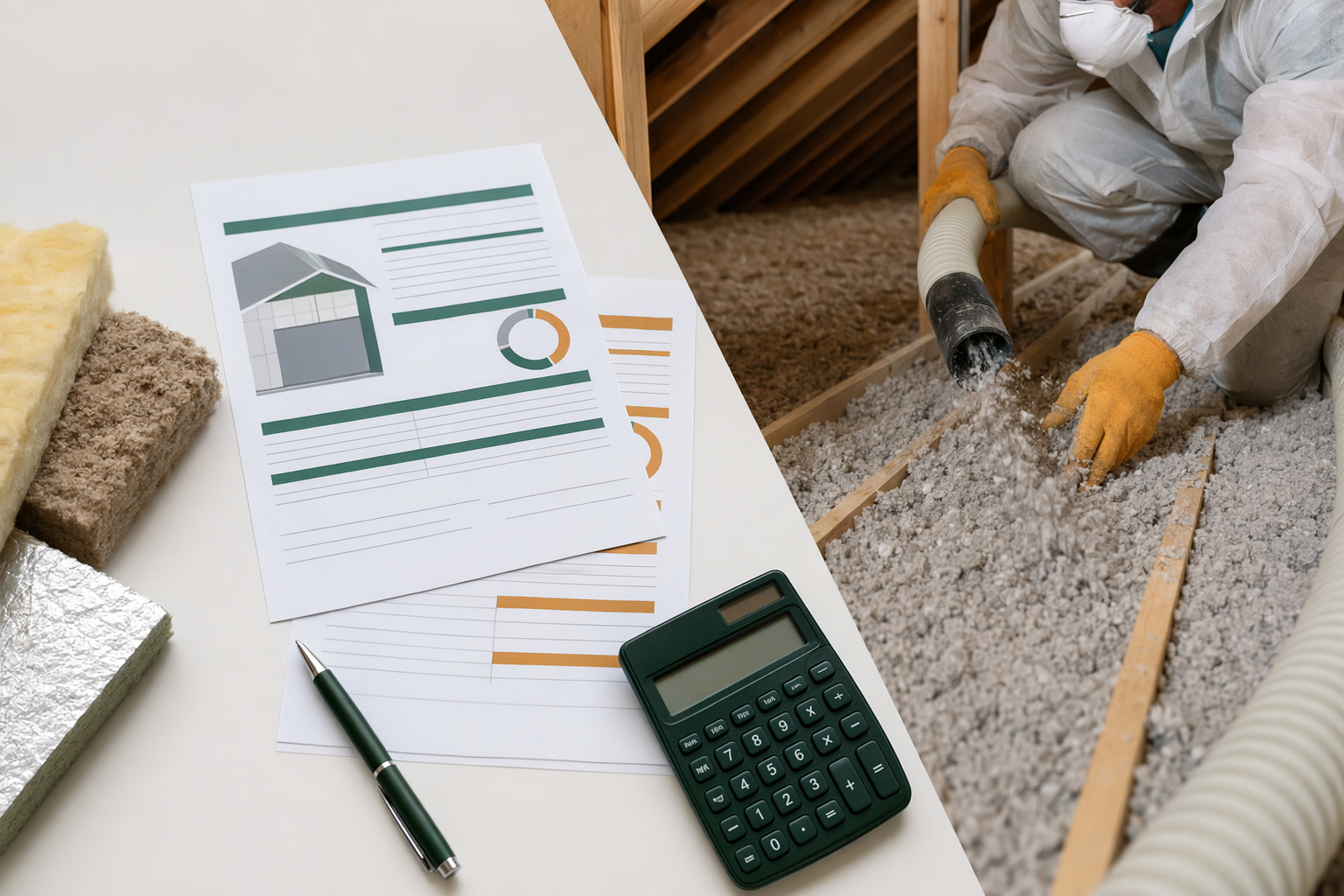
Start here: rebates are real, but they change
Many utility companies, states, and local energy programs offer incentives for insulation and air-sealing work. These programs can help with part of the cost, but rules, amounts, and deadlines change often.
That is why the safest approach is to treat any rebate as a possible savings, not a promise. Before you sign a contract, confirm the current program details directly with the utility or program administrator. If you want help planning the project itself, Thermline can help you get matched for free with licensed and insured insulation installers near you.
The short answer
To find utility rebates for insulation, start with your electric or gas utility's website, then check state or regional energy-efficiency programs. Look for insulation, air-sealing, weatherization, attic, wall, crawlspace, or whole-home efficiency incentives. Read the requirements carefully, because many programs only apply to certain materials, certain R-values, approved installers, or homes in a specific service area. You should also confirm whether pre-approval is required before work begins.

Check the right places first
The easiest place to begin is your current utility provider. If you pay an electric bill or gas bill, search that company's website for terms like "rebates," "energy efficiency," or "home insulation." Some utilities run their own programs. Others send you to a partner organization that manages the rebate.
You can also check:
- Your state's energy office or efficiency program
- Regional weatherization or home-efficiency programs
- City or county sustainability programs
- General program guides such as costs and incentive overviews that help you build questions before you call
If your home uses both electric and gas service, check both utilities. In some areas, only one offers insulation-related incentives. In others, rebates may focus on attic insulation, air sealing, or a full package of improvements instead of a single product.
Know what details matter
A rebate is usually tied to specific project rules. Read the fine print before you count on the savings.
Important things to verify:
- Eligible work: attic insulation, wall insulation, crawlspace or basement insulation, air sealing, or a bundled package
- Required R-value: R-value is a simple way to measure how well insulation slows heat flow. Higher R-value means more resistance to heat moving in or out, but there are diminishing returns after the recommended level for your climate zone.
- Approved materials: for example, blown-in cellulose, fiberglass batts, or spray foam may be treated differently
- Installer rules: some programs require a contractor from an approved network; others only require the installer to be properly licensed and insured
- Pre-approval: some rebates require an application or home assessment before installation starts
- Documents needed: paid invoice, proof of address, product information, or photos
- Completion deadline: work may need to be finished within a set period after approval
Also remember that the real project price depends on the area insulated, the R-value target, the material, your home's age and access, whether old insulation must be removed, and your region. Any number you see online is only a typical estimate, not a quote.
Ask installers the right rebate questions
When you request estimates, ask each installer whether they are familiar with the rebate you found. Do not assume they will handle the paperwork unless that is clearly stated in writing. Some contractors help with forms. Some only provide the invoice and job details you need to submit yourself.
Ask for the project scope in writing, including:
- The area being insulated
- The material being used
- The target or final R-value
- Whether air sealing is included
- Whether permits or code requirements may apply locally
- What documents you will receive after the job
Always hire licensed and insured installers, and verify the license and insurance yourself. Before you pay a deposit, review the contract carefully. This guide on how to vet an insulation installer can help you compare companies more confidently.
What to do next
Make a short list of possible rebate sources, then call or check each website to confirm current rules. Write down the program name, required R-value, whether pre-approval is needed, and what paperwork you must keep.
Then compare estimates with the rebate requirements in mind. If you are ready to start, Thermline can help you get matched at no cost with licensed and insured insulation installers in your area. That can make it easier to compare scope, timing, and typical pricing while you confirm the latest rebate details directly with the utility or program.
Utility rebates for insulation can help, but the rules change. Check your utility website, confirm the details directly, and make sure your installer's written scope matches the program requirements.