Insulating Ductwork in Unconditioned Spaces
Ductwork that runs through an attic, crawlspace, garage, or unfinished basement can lose heat in winter and pick up heat in summer. Insulating ductwork in these **unconditioned spaces** can help air stay closer to the temperature your heating and cooling system worked to make, but the right approach depends on the duct condition, location, and any air leaks.
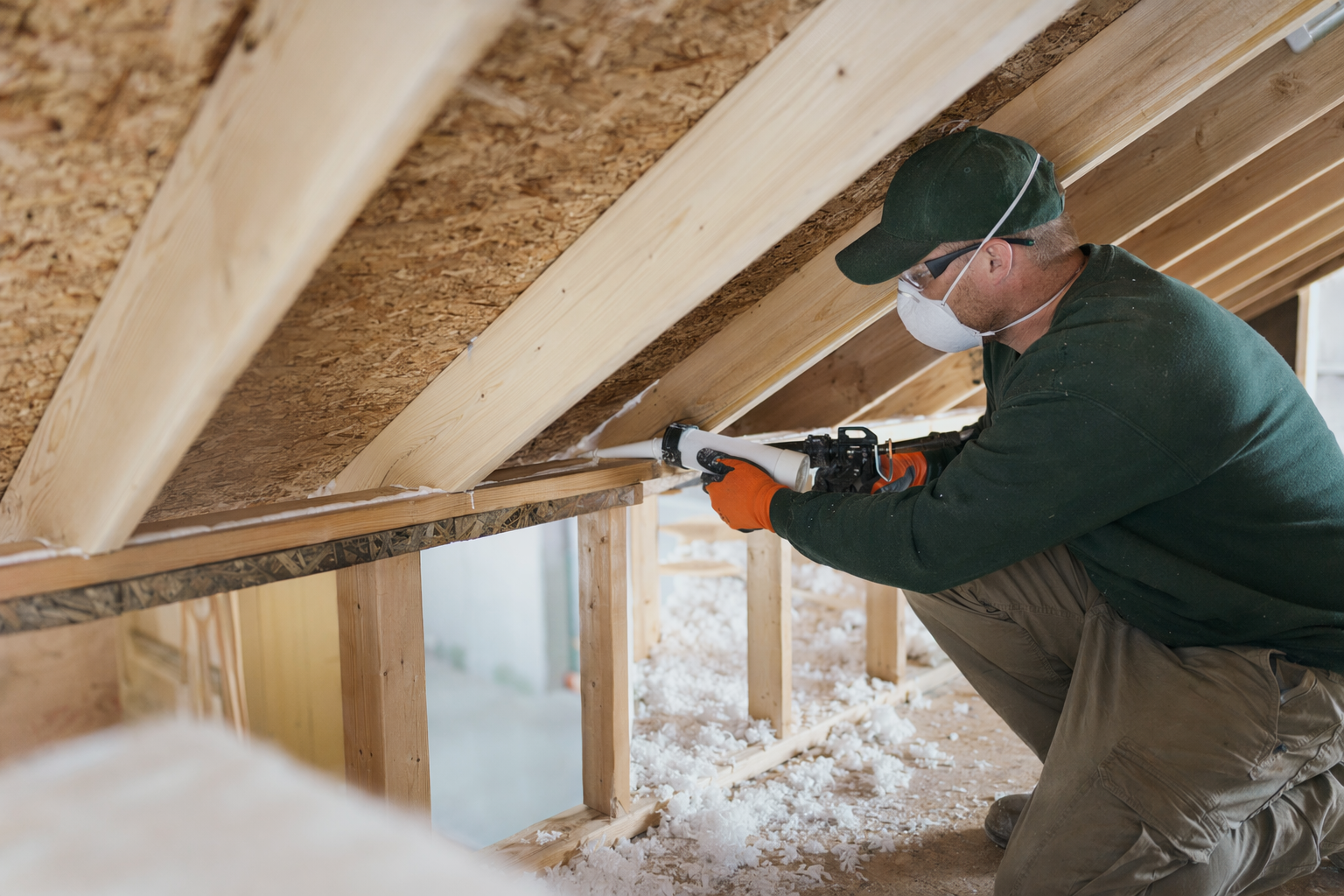
Why this matters
If your ducts pass through spaces that are not heated or cooled, they are exposed to very hot or very cold air. That can reduce comfort and waste energy.
A common example is attic ductwork. In summer, a hot attic can warm the cooled air moving through the ducts before it reaches your rooms. In winter, ducts in a cold crawlspace or garage can lose heat before warm air gets to the vents.
Insulating ductwork can help, but it works best when the ducts are also checked for gaps, loose connections, and moisture problems. If you are planning a larger insulation project, it helps to compare the full scope and typical pricing at costs.
The short answer
Yes, ductwork in unconditioned spaces is often worth insulating if the ducts are in good enough condition and are not badly damaged, crushed, or wet. In many homes, the best results come from sealing duct leaks first, then insulating the ducts, especially in attics, crawlspaces, garages, and unfinished basements. The exact materials and code requirements vary by area, so ask a licensed and insured installer what duct insulation level is commonly required where you live and get the scope in writing.

How duct insulation helps
Duct insulation slows heat flow. In plain language, insulation has an R-value, which is a measure of how much it resists heat moving through it. A higher R-value resists heat better, but that does not mean the highest possible level is always the best choice. Past the recommended level for the space and climate, the extra benefit can get smaller.
For ducts, insulation can help:
- reduce temperature loss or gain as air travels through the house
- improve comfort in rooms far from the heating and cooling equipment
- lower the chance of condensation on cold ducts in humid conditions
- support better system efficiency when paired with air sealing
If condensation, mold, or wet insulation is already present, that problem should be addressed before new insulation is added.
Seal first, then insulate
Insulating leaky ducts is often only part of the fix. If air is escaping through joints, seams, or disconnected sections, insulation alone will not stop that energy loss.
A qualified installer may recommend:
1. checking accessible ducts for visible gaps, loose joints, or damage
2. sealing leaks with materials appropriate for ductwork
3. replacing damaged sections if needed
4. adding insulation around the ducts after sealing is done
This is especially important in vented attics and crawlspaces, where temperature differences can be large. If you are comparing companies, use a simple checklist and verify license and insurance yourself before hiring. Our guide on how to vet an insulation installer can help.
When duct insulation may not be enough
Sometimes the bigger issue is duct location, not just missing insulation. Ducts in a very hot attic or damp crawlspace may still underperform even after insulation is added. In some homes, other improvements may also matter, such as attic air sealing, better attic insulation, crawlspace work, or replacing damaged duct sections.
You should also ask about local code and permit rules. Requirements can vary by region and by the type of work being done. Make sure the written estimate says what area is included, what insulation will be used, and what R-value the job is expected to reach.
Thermline is a free matching service. We can help you connect with local installers for insulation-related projects, but we do not inspect homes, install materials, or give construction advice. If you want to compare options, you can get matched with licensed and insured installers near you.
What to do next
If your ductwork runs through an attic, crawlspace, garage, or unfinished basement, start by asking whether the ducts are leaky, damaged, or sweating. Then ask whether sealing, insulating, or both make sense for your home.
Before you hire anyone:
- ask for the planned scope in writing
- confirm the duct areas included
- ask what insulation level or R-value is being proposed
- verify the installer's license and insurance yourself
- ask whether permits or code requirements apply in your area
Prices are estimates, not quotes. The real cost depends on how much ductwork is accessible, the insulation level, the material used, whether old material must be removed, and your region.
If your ducts are in a hot attic, cold crawlspace, garage, or unfinished basement, insulating them often helps. It usually works best when duct leaks are sealed first and the installer explains the insulation level in writing.