Do I Need a Permit to Add Insulation?
Planning to add insulation? A permit may or may not be required. It depends on **where the insulation is going, what type of work is included, and your local building department's rules**.
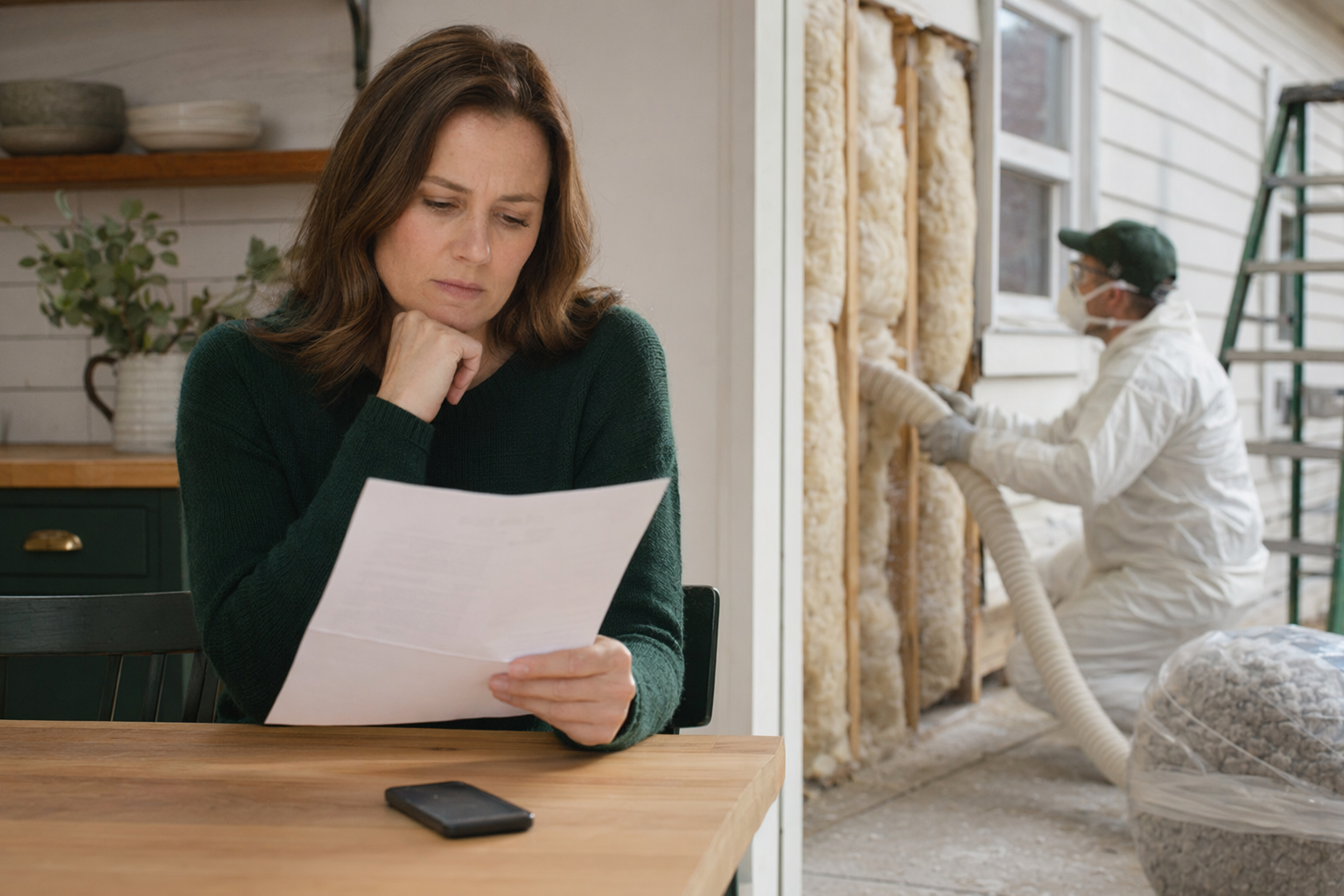
Why homeowners ask about permits
Many insulation jobs are simple. Some are not. Adding blown-in insulation in an open attic may be treated differently than opening walls, insulating a crawlspace, or adding spray foam near wiring or mechanical systems.
The safest approach is simple: do not assume. Permit rules are local, and they can vary by city, county, and state. If you are comparing options, Thermline can help you get matched with licensed and insured insulation installers near you, at no cost.
The short answer
Sometimes yes, sometimes no. A permit is often not required for a straightforward insulation upgrade, such as adding insulation in an accessible attic, but it may be required if the project includes opening finished walls or ceilings, major air-sealing work, crawlspace or basement changes, spray foam in certain situations, or any work tied to electrical, mechanical, or fire-safety code requirements. The only reliable answer is to check with your local building department and confirm that your installer will follow local code and permit rules.

When a permit may not be needed
Some basic insulation projects are considered minor home improvements. In many areas, homeowners can add insulation without a permit when the work is limited in scope and does not change the structure or involve other building systems.
Examples sometimes treated as lower-permit-risk work include:
- Adding blown-in insulation over existing attic insulation
- Placing fiberglass batts in an accessible attic floor area
- Small insulation upgrades in unfinished spaces
Even in these cases, local code still matters. Installers may need to maintain required clearances around lights, vents, chimneys, and access points. They also need to preserve proper ventilation where required. If you want background on comparing project pricing, see costs.
When a permit is more likely
A permit is more likely when the job goes beyond simply laying or blowing in insulation.
Common examples include:
- Wall insulation where finished walls are opened or altered
- Spray foam insulation in areas where fire, ignition, or ventilation rules apply
- Crawlspace or basement projects that include moisture-control measures, access-door changes, or other related work
- Work that affects electrical, plumbing, HVAC, recessed lights, flues, or exhaust vents
- Projects bundled with larger remodeling or weatherization work
Local officials may also care about the R-value the job is intended to reach. R-value is a simple way to describe how well insulation slows heat flow. A higher R-value means more resistance to heat moving in or out. But more is not always better. Past the recommended level for your climate zone, returns can taper off. You can learn more in how to vet an insulation installer and ask each company what R-value the finished job is designed to achieve.
How to check before work starts
If you are unsure, take these steps before signing anything:
- Call or email your local building department. Ask whether your specific insulation project needs a permit.
- Describe the job clearly: area of the home, insulation type, whether walls or ceilings will be opened, and whether air-sealing or repairs are included.
- Ask each installer, in writing, whether they believe a permit is required and why.
- Verify that the installer is licensed and insured for this kind of work.
- Get the project scope in writing before any deposit. That scope should include the area to be insulated, the material, and the target R-value.
If rebates, utility programs, or tax credits may be part of your planning, confirm the current rules directly with the program or utility and check with a tax professional if needed. These programs can change, and eligibility is never guaranteed.
What to do next
Start by making a short list of the spaces you want to insulate: attic, walls, crawlspace, basement, or garage area. Then ask local officials whether that exact job needs a permit.
After that, compare licensed and insured installers carefully. Thermline is a free matching service that helps homeowners connect with local insulation pros for estimates. You can get matched or read more questions to ask before hiring in how to vet an insulation installer.
Some insulation jobs need a permit, and some do not. Ask your local building department before work starts, and hire a licensed and insured installer who will follow local code.