Cellulose vs Fiberglass Insulation
Choosing between cellulose and fiberglass insulation is not about finding one "best" material for every home. It is about where the insulation will go, the R-value you want, your budget, and the condition of the space. This guide explains the difference in plain language so you can compare options and talk with installers with more confidence.
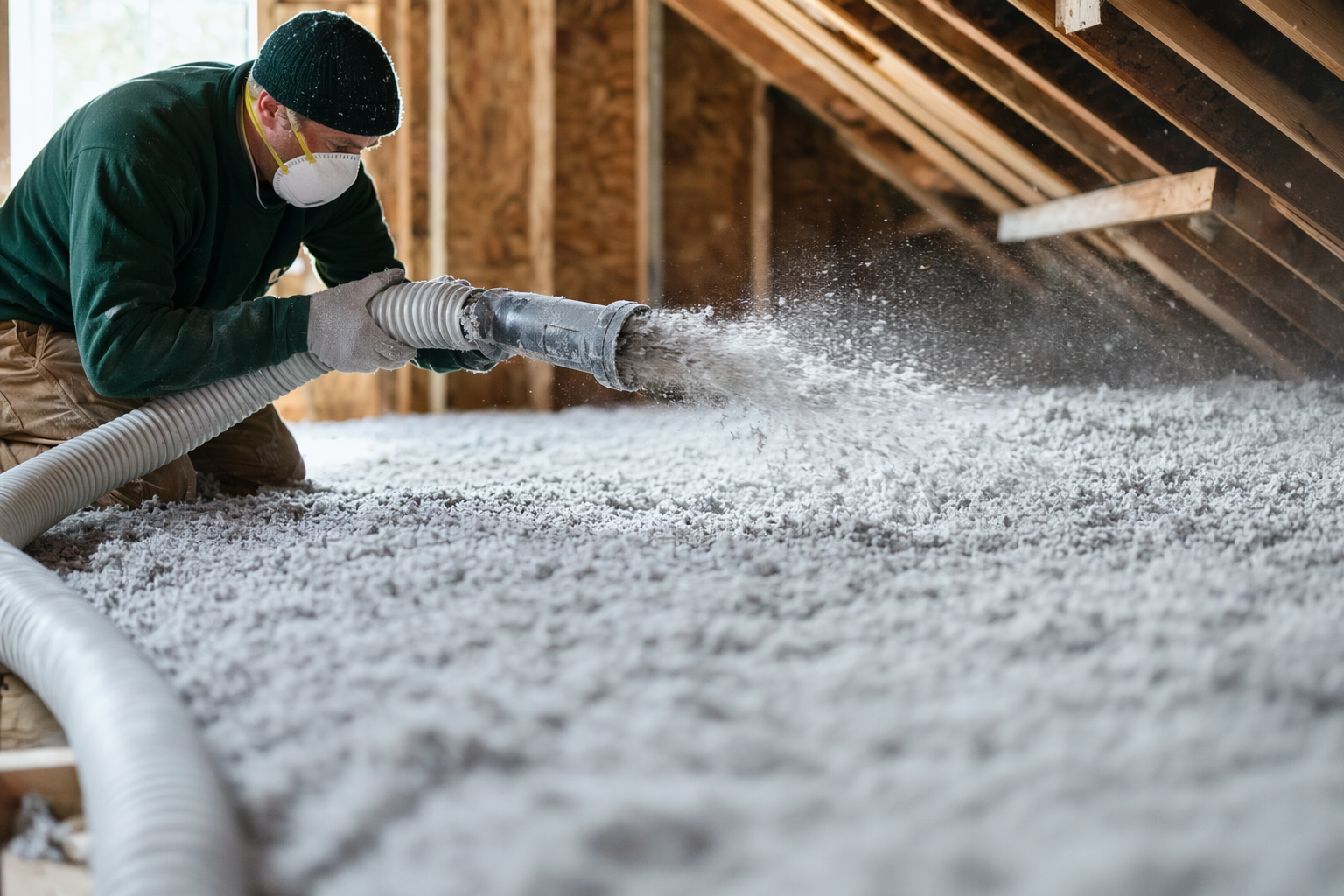
Start here: cellulose and fiberglass are both common choices
Both materials are widely used in homes. Both can help with comfort and energy bills when they are installed correctly and paired with good air sealing.
R-value means how much the insulation slows heat flow. A higher R-value means more resistance to heat moving in or out. But more is not always better forever. After the recommended level for your climate zone, the extra benefit gets smaller.
If you are just starting to compare prices, costs can help you see typical insulation cost ranges before you speak with local installers.
The short answer
Cellulose is often chosen when homeowners want dense coverage in attics or closed wall cavities, while fiberglass is often chosen for its lower upfront cost, wide availability, and flexible formats like batts and blown-in. Either one can work well. The better choice depends on the area being insulated, the target R-value, moisture conditions, access, and how carefully the job will be installed.

How they differ in real homes
Performance, air leaks, and moisture
Many homeowners compare these materials by R-value alone, but installation quality matters just as much. Gaps, compression, and missed air leaks can reduce real-world performance.
Cellulose can help slow air movement a bit better than loose fiberglass in some situations because it is denser. But neither material should be treated as a full air-sealing system by itself. In attics especially, sealing openings around top plates, wiring, plumbing, and recessed fixtures before adding insulation can make a big difference. See how to vet an installer and ask whether air sealing is included in the written scope.
Moisture also matters. If a space has roof leaks, bulk water, or dampness problems, those issues should be addressed before insulation is added. The right insulation plan can depend on the assembly and local code, so follow permit rules and ask licensed, insured installers how they will handle ventilation, moisture, and the final R-value.
Cost, installation, and when each may fit
In many markets, fiberglass is often cheaper upfront, especially batt insulation. Cellulose may cost a bit more in some applications, but actual pricing varies a lot by region and project details.
These are only typical comparisons, not quotes. The real price depends on the area insulated, the R-value target, the material, the home's age and access, whether old insulation must be removed, and your local market.
A simple way to think about it:
- Choose cellulose if you want a blown product that can settle into many small gaps in an attic or enclosed cavity.
- Choose fiberglass batts if the area is open and easy to fit neatly, and lower upfront cost is a priority.
- Choose blown-in fiberglass if you want another loose-fill attic option and a contractor recommends it for your layout and budget.
The best answer is often the one that gives you the right installed R-value, solid air sealing, and a clean, careful installation rather than the material name alone.
What to do next
Get at least two written estimates from licensed and insured insulation installers. Ask each one to list the material, the area to be insulated, whether old insulation will stay or be removed, whether air sealing is included, and the final R-value the job is expected to reach.
You can use Thermline to get matched with local installers at no cost. Before you sign, verify license and insurance yourself, confirm permit and code requirements, and make sure the full scope is in writing before any deposit.
Cellulose and fiberglass can both be good insulation. The best one for your home depends on the space, the R-value goal, and how well the installer does the job.