Can You Add Insulation Over Old Insulation?
In many homes, **yes, you can add new insulation over old insulation**. But it depends on the condition of the old material, whether there is any moisture, mold, pest damage, or air leakage, and whether the space should be insulated that way in the first place.
The short answer
Sometimes yes, sometimes no. If the old insulation is dry, reasonably clean, and still in place, adding more on top is often possible. If it is wet, moldy, badly compressed, contaminated by pests, or covering air leaks that should be sealed first, it may need to be removed or partly removed before new insulation is added. The best approach depends on the area of the home, the insulation type, and the R-value target for your climate.
When adding insulation over old insulation can make sense
Adding more insulation is most common in attics. For example, homeowners often add blown-in fiberglass or blown-in cellulose over older attic insulation to improve comfort and help reduce heat loss or heat gain.
This can make sense when:
- The old insulation is dry and not moldy
- It has not been heavily disturbed by pests
- It still covers the area fairly evenly
- The attic floor framing and access make a top-up practical
- Air leaks have been addressed first, or are part of the project
R-value is a simple way to describe how much insulation slows heat flow. A higher R-value means more resistance to heat moving through the area. But more is not always better forever. There are diminishing returns after you reach the recommended range for your climate zone. You can read more in R-value explained and compare typical price ranges on our costs page.

When old insulation should not just be covered up
Sometimes covering the old material is not the smart move.
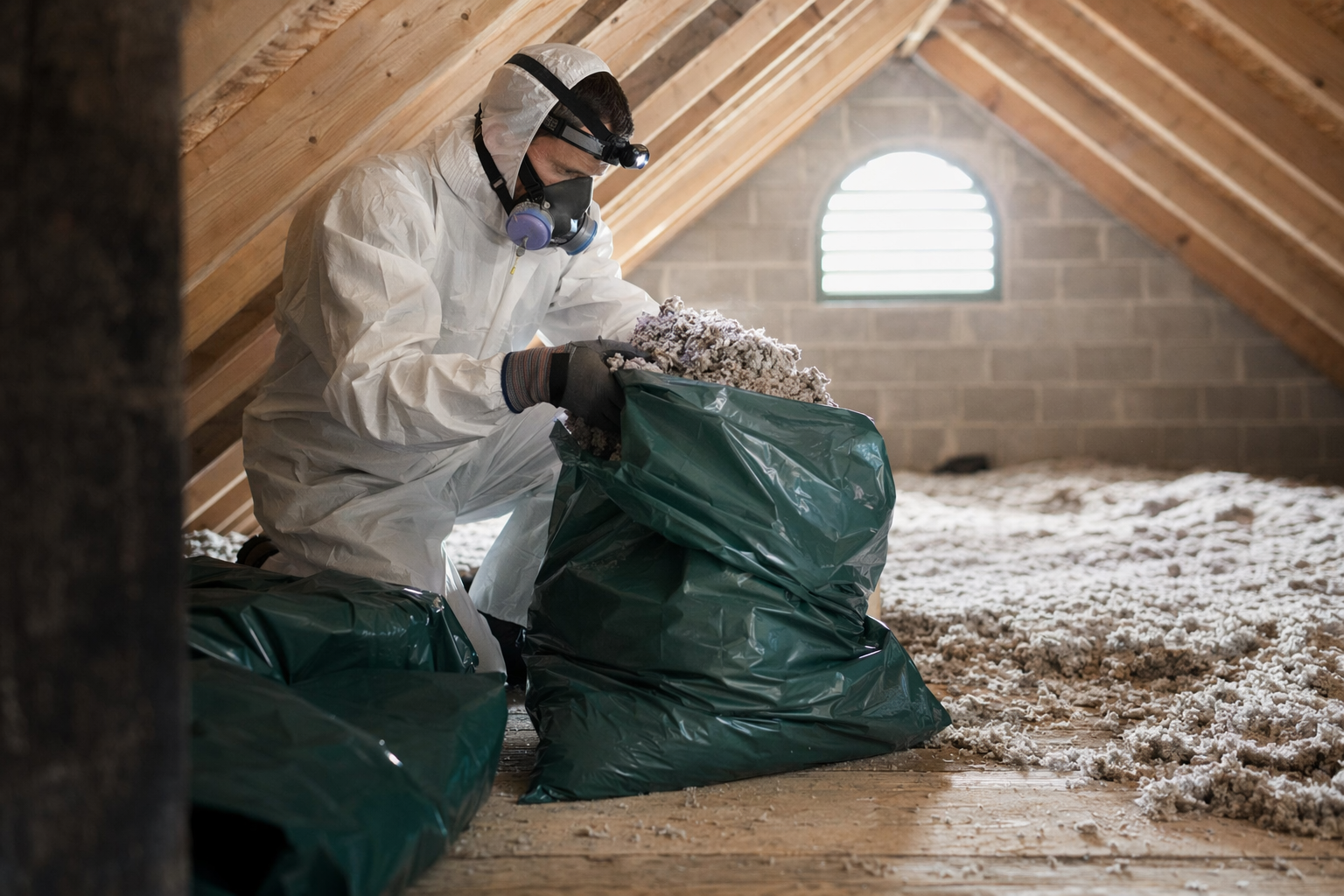
If insulation is wet, it can point to a roof leak, plumbing issue, or moisture problem that should be fixed first. If it is moldy, heavily soiled, or contaminated by animal droppings, many homeowners ask installers whether removal is needed before adding more.
If the old insulation is badly compressed, missing in large sections, or blocking important ventilation paths in the attic, simply piling more on top may not solve the real problem. And if there are major air leaks around recessed lights, attic hatches, plumbing penetrations, or top plates, those openings may need attention before the new insulation goes in. Our guide on how to vet an insulation installer can help you ask the right questions.
This is also important outside the attic. In walls, crawlspaces, basements, and rim joists, the right approach may be different. Moisture control, air sealing, and local code matter.
Questions to ask before you add more
Before you move forward, ask the installer to explain what is already there, what condition it is in, and what R-value the finished job is expected to reach.
Good questions include:
1. Is the old insulation dry, clean enough, and suitable to keep?
2. Do any areas need removal first?
3. Should air sealing be done before adding more insulation?
4. Will ventilation paths stay clear where required?
5. What material is being added, and why is it a good fit here?
6. What is the estimated total R-value after the work?
Costs are usually given as typical ranges, not guarantees. The real price depends on the area insulated, the R-value target, the material, access, the home's age, whether old insulation must be removed, and your region.
What to do next
Start by making a simple list of the rooms that feel too hot, too cold, or drafty. Then ask licensed and insured insulation installers to look at the problem area and explain whether adding insulation over the old material is appropriate.
Get the scope in writing before any deposit. It should clearly say the area being insulated, the material, whether removal is included, whether air sealing is included, and the R-value the job is intended to reach. Be sure to verify the installer's license and insurance yourself, and follow local permit and code requirements.
If you want help finding local companies, Thermline is a free matching service. You can get matched with licensed and insured insulation installers near you.
Sometimes you can add new insulation over old insulation, but not if the old material is wet, moldy, damaged, or hiding another problem. Ask a licensed and insured installer to explain the condition, the plan, and the final R-value in writing.