Blown-In vs Batt Insulation
Blown-in and batt insulation can both work well. The better choice depends on **where the insulation is going**, the **R-value** you want, your budget, and how easy the space is to reach.
Intro
If you are comparing blown-in vs batt insulation, the main question is not which one is "best" for every home. It is which one fits your space, climate, and budget.
Both types are common in attics, walls, and other parts of the home. Both can help with comfort and energy bills when installed to the right R-value. R-value is a simple way to measure how well insulation slows heat flow. Higher R-value means more resistance to heat moving in or out, but more is not always better once you reach the recommended level for your climate zone.
If you want a local pro to price your options, Thermline can help you get matched with licensed and insured insulation installers near you for free.
The short answer
Blown-in insulation is often a good fit for attics and hard-to-reach spaces because it can spread around wires, pipes, and uneven framing. Batt insulation is often a good fit for open, regular spaces where standard-sized pieces can be placed neatly between framing. The right choice depends on the area being insulated, the R-value target, the material, access, and labor quality. A neat, complete installation matters just as much as the product.

Details
Blown-in: where it usually makes sense
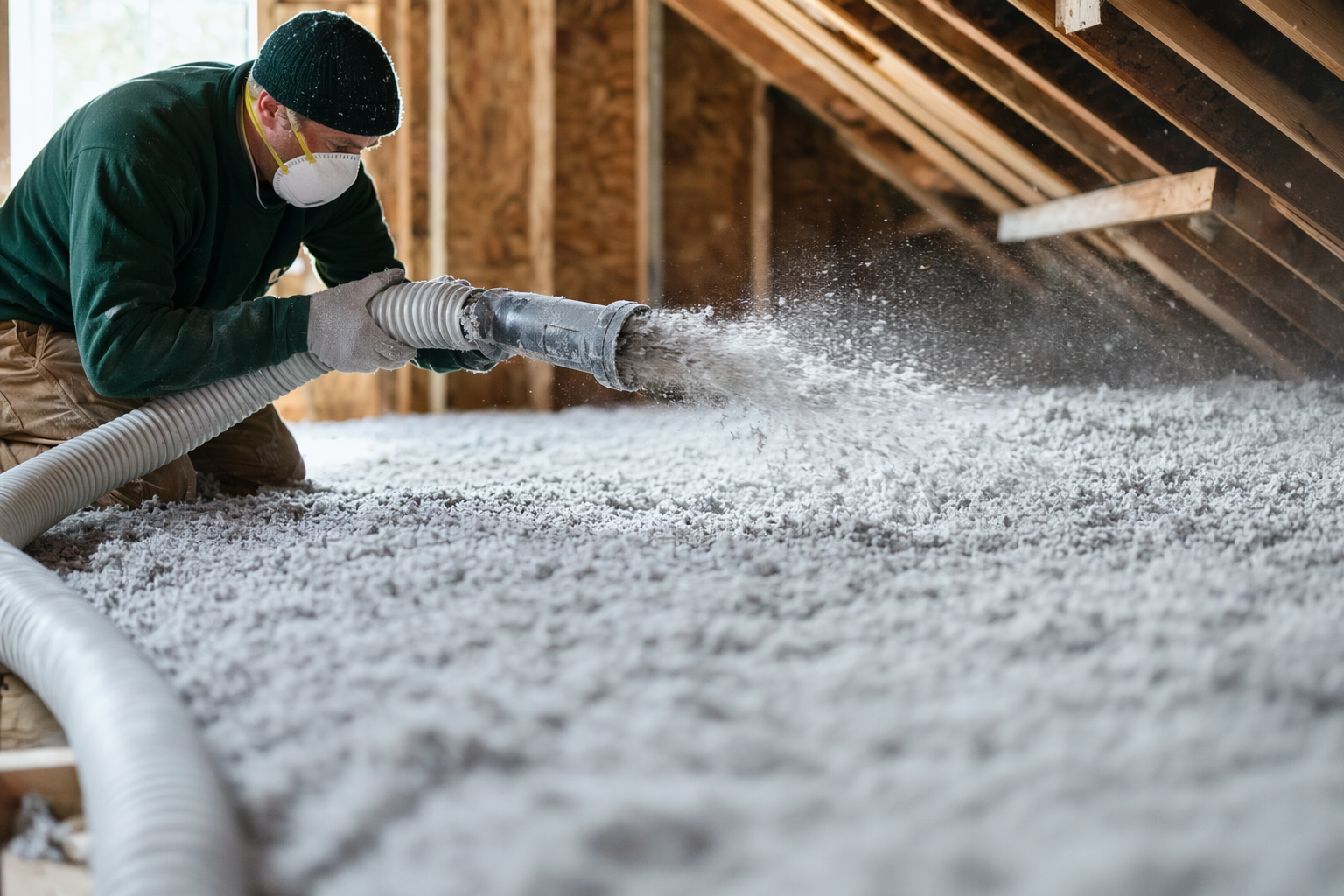
Blown-in insulation is loose material that is installed with special equipment. It is commonly used in attics and sometimes inside closed walls.
It can be a smart choice when the space has lots of obstacles or irregular areas. Because it fills gaps more easily than pre-cut pieces, it often works well over large attic floors and around framing that is not perfectly even.
Typical advantages:
- Good coverage in uneven or hard-to-reach areas
- Often useful for topping up existing attic insulation
- Can work well around pipes, wires, and other obstacles
Things to keep in mind:
- It needs the right depth to reach the target R-value
- It can settle over time, depending on the material and installation
- It usually requires equipment and is less of a simple DIY option
For a closer look at materials and typical price ranges, see costs.
Batt: where it usually makes sense
Batt insulation comes in pre-cut sections or rolls. It is often used in open wall cavities, floors, and attics where framing is exposed and spacing is regular.
Batts can perform well when they are cut and fitted carefully. In clean, open spaces, they can be straightforward to install. But they lose effectiveness if they are compressed, left with gaps, or stuffed around obstructions.
Typical advantages:
- Good for open framing with standard spacing
- Easy to see where each piece is placed
- Often simpler to replace in small sections
Things to keep in mind:
- Irregular spaces can be harder to fit well
- Gaps, bunching, and compression reduce performance
- Air leaks still need separate attention in many homes
In many homes, installers may suggest air-sealing first, then adding insulation. That is especially common in attics.
How to compare them fairly
When homeowners compare blown-in and batt insulation, they sometimes focus only on price per bag or price per roll. That can be misleading. A better comparison looks at the finished job.
Ask each installer to put these details in writing:
1. The area they will insulate
2. The insulation type and material
3. The R-value the job will reach
4. Whether old insulation removal is included
5. Whether air-sealing is included
6. Cleanup, permit responsibilities, and timeline
Typical project costs are estimates, not quotes. Your real price depends on the area insulated, the R-value target, the material, your home's age and access, whether old insulation must be removed, and your region.
It is also smart to compare installer quality, not just product type. Use this guide on how to vet an insulation installer before you sign anything.
What to do next
Start by identifying where you need insulation: attic, walls, crawlspace, basement, or another area. Then ask for written estimates from licensed and insured installers that clearly state the target R-value and full scope of work.
Thermline is a free matching service. We do not install insulation or give home inspections, but we can help you get matched with local licensed and insured installers so you can compare options. Be sure to verify the license and insurance yourself, follow local permit and code rules, and get the price and scope in writing before any deposit.
Blown-in insulation is loose and fills uneven spaces more easily. Batt insulation comes in pieces and works best in open spaces with regular framing.