R-Value Target Guide
Use this free R-Value Target Guide to quickly see the insulation levels commonly recommended for attics, walls, and floors in different US climate zones. It is a simple PDF you can download with **no signup** and use when comparing insulation options and written estimates.
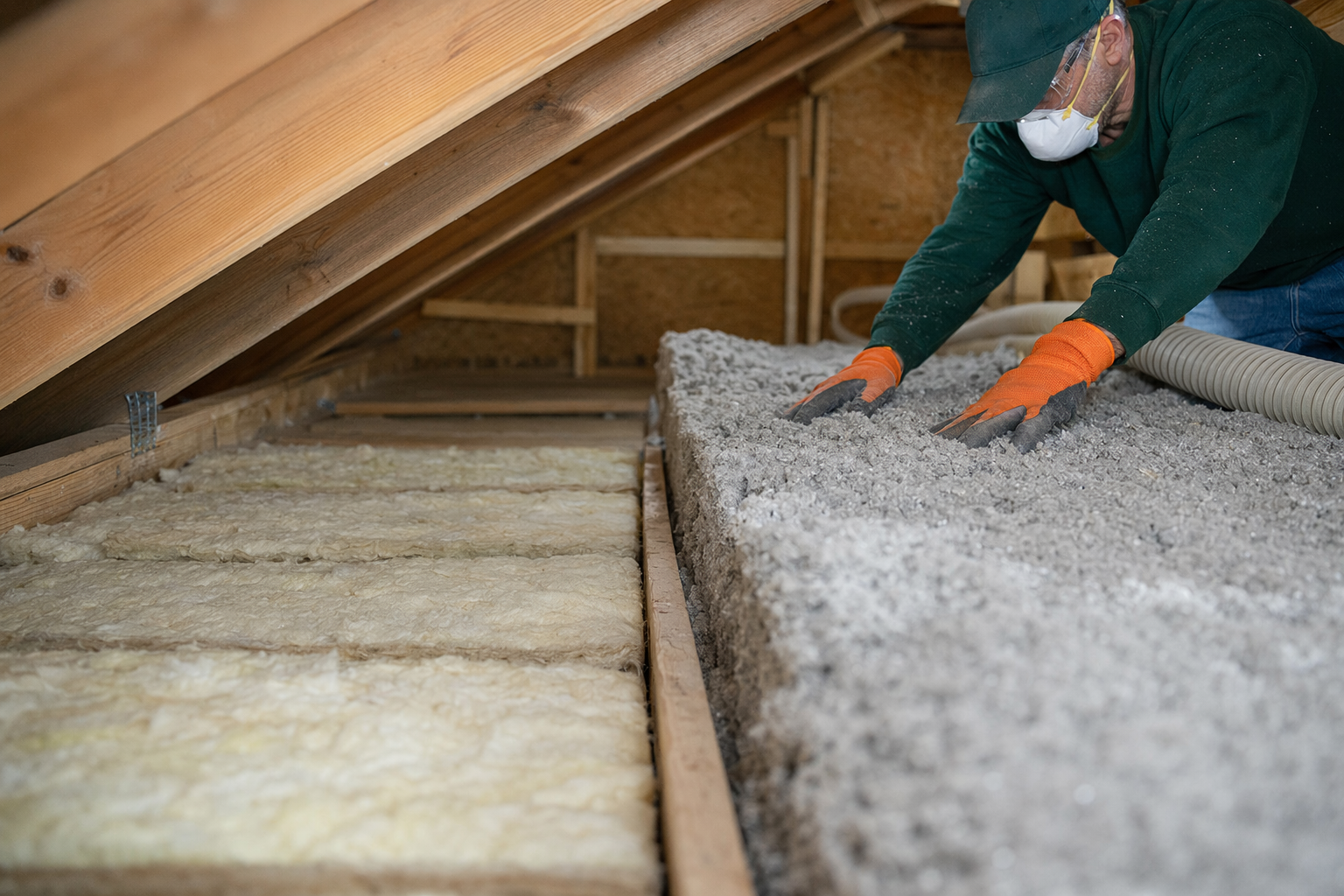
What this tool is and why it helps
The R-Value Target Guide is a free quick-reference PDF for homeowners. It shows the recommended insulation target ranges often used for different parts of the home, based on US climate zones.
R-value is a simple way to measure how well insulation slows heat flow. Higher numbers mean more resistance to heat moving in or out. But higher is not always better forever. After a certain point, there can be diminishing returns, so the best target usually depends on your climate zone, your home, and where the insulation is going.
This guide can help you ask better questions, compare bids more clearly, and understand whether an installer's recommended R-value sounds reasonable. It is especially helpful if insulation terms feel confusing or if English is not your first language.
How to use it
- Find your climate zone in the guide.
- Check the recommended R-value target range for the area you want to insulate, such as the attic, walls, or floors.
- Use that range when reviewing project details and cost estimates.
- Ask installers to put the scope of work and the final R-value the job is intended to reach in writing before you pay a deposit.
The guide is a planning tool. It is not a quote, inspection, or code decision. Real project needs can vary based on the home's age, air leaks, moisture issues, access, and existing insulation. Local code and permit rules may also apply.
If you want help comparing options, Thermline can help you get matched with licensed and insured insulation installers near you. You should still verify the license and insurance yourself and review the written scope carefully.

What’s inside the free PDF
Next step
Download the guide for free, then use it to compare your options with more confidence. If you want to understand typical price ranges, visit costs. If you are ready to talk with local pros, Thermline can help you get matched at no cost.
Before hiring anyone, choose licensed and insured installers, verify that information yourself, and review the written proposal closely. It should clearly state the area being insulated, the material, and the R-value the job is meant to reach. You can also review this checklist on how to vet an insulation installer.
This free guide helps you see the insulation R-value ranges commonly recommended for your climate zone. You can download it with no signup and use it to compare estimates more easily.